
The Benefits of Eating Seasonally
Written by: Sahannah Seemungal
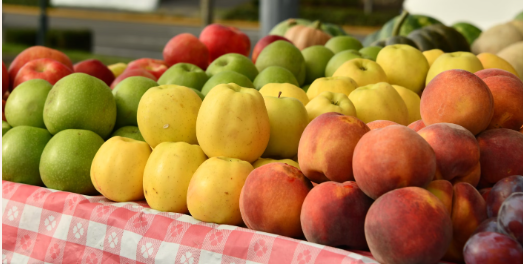
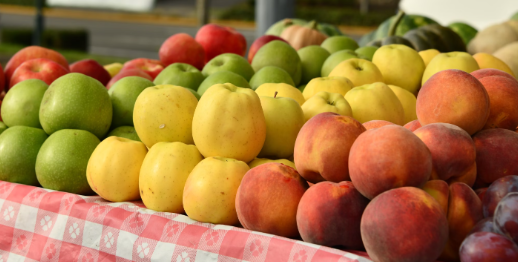
Have you walked through the produce aisle in the grocery store in the fall and noticed baskets overflowing with apples? Or in the summertime, have you enjoyed perfectly ripe peaches that are irresistibly juicy and delicious? But in the middle of winter, those same peaches tend to be firmer to the touch, lacking their usual sweetness and succulency. This happens to all produce when they aren’t harvested during their specific peak harvest seasons, which varies among different fruits and vegetables.
A year-round supply of fresh produce has become attainable due to the expansion of agricultural techniques, the use of new technologies, and the mass transportation of trading goods. However, before these innovations, seasonal eating was a regular part of our diets. Seasonal eating refers to eating foods produced in their natural production season, whether on a global scale (globally seasonal) or within the same climatic zone (locally seasonal).
Eating a diet rich in fruits and vegetables that are in season is not only tastier but also has numerous nutritional benefits. Unseasonal produce typically have to be transported from far away locations, where they are grown in a different climatic area. Studies reveal that the longer the journey for produce to be transported from harvest to grocery store to our plates, the more nutritional value, such as fiber, vitamins, minerals, and antioxidants, is lost. To withstand the long-distance journey and storage, many out-of-season fruits and vegetables are harvested long before they are ripe, preventing them from developing into their full nutritional potential and their proper flavor. This is not to undermine the fact that consuming fruits and vegetables in general is the foundation of a healthy diet. However, eating them in season allows you to maximize your nutritional intake from them, such as getting more vitamin C from fresh citrus fruits, vitamin A from carrots, and iron from leafy greens.
Another benefit of eating seasonal produce is cost efficiency. Fruits and vegetables grow better and in surplus at various times of the year depending on their natural peak seasons. As with any supply-and-demand model, an increased supply results in lower prices for consumers. Locally grown seasonal food can be even more affordable as the cost of transporting them long distances is not as large of a factor compared to foods that are imported from across the world. Additionally, farmers’ markets allow growers to bypass intermediary expenses and offer fresher produce at better prices.
As we are approaching the spring season, be on the lookout for in-season foods at the grocery store, such as strawberries, lemons, apricots, asparagus, onions, and spinach. When shopping, check the labels of produce that specify “local”, as this guarantees that the produce was grown nearby and is in season. Also, opt for items that are plentiful in stores to take advantage of seasonal specials. Buying from your local farmers' market is another excellent option, as it provides a direct connection between farmers and consumers while ensuring fresh, locally grown, and in-season produce.
Eating fresh fruits and vegetables in season not only provides cost savings but ensures better quality, flavor, and nutritional value at their peak of ripeness, compared to out-of-season produce. Moreover, eating seasonally gives you something to look forward to each season, allowing you to diversify your diet throughout the year. Since different foods contain unique nutrients, seasonal eating ensures a varied and balanced diet, maximizing your overall nutritional intake.
References:
AANMC. "How & Why to Eat Seasonally." Association of Accredited Naturopathic Medical Colleges, https://aanmc.org/naturopathic-news/seasonal-food-guide/.
Macdiarmid, Jennie I. "Seasonality and Dietary Requirements: Will Eating Seasonal Food Contribute to Health and Environmental Sustainability?" Proceedings of the Nutrition Society, vol. 73, no. 3, 2014, pp. 368–375. Cambridge University Press, https://doi.org/10.1017/S0029665113003753.
National Breast Cancer Foundation. "4 Reasons to Eat Seasonally This Spring." National Breast Cancer Foundation, 22 Mar. 2023, https://www.nationalbreastcancer.org/blog/4-reasons-to-eat-seasonally-this-spring/. Accessed 15 Mar. 2025.