The Gut Microbiome: The Ecosystem Inside Your Body
Written by: Eshrat Quader and Ihsaan Alam
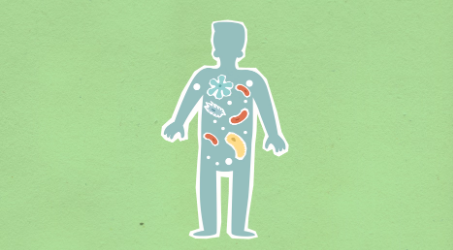
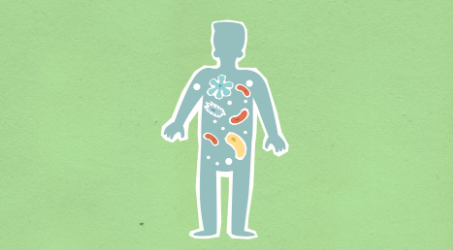
Inside the human body lives an entire ecosystem of microorganisms that most people rarely think about. Trillions of bacteria, viruses, and fungi live primarily in the digestive tract, forming what scientists call the gut microbiome. While the idea of microbes living inside our bodies may sound alarming, many of these microorganisms actually play an essential role in maintaining good health. In recent years, scientists have begun to understand just how powerful this internal ecosystem is, linking the gut microbiome to digestion, immune function, metabolism, and even mental health.
Researchers estimate that the human gut contains tens of trillions of microbes, representing hundreds of different bacterial species. These microbes help break down certain foods that our bodies cannot digest on their own. In doing so, they produce beneficial compounds such as short-chain fatty acids, which support gut health and reduce inflammation. According to the National Institutes of Health, the microbiome also helps synthesize vitamins like vitamin K and certain B vitamins, which are important for blood clotting and energy metabolism. Without these microbial partners, many of the digestive and metabolic processes we rely on would function far less efficiently.
Beyond digestion, the gut microbiome plays a critical role in supporting the immune system. Approximately 70 percent of the body’s immune cells are located in the gut, making the digestive system one of the most important sites for immune defense. Beneficial bacteria help train the immune system to distinguish between harmful pathogens and harmless substances. When the balance of microbes becomes disrupted, a condition known as dysbiosis, it may contribute to inflammation and increase the risk of certain diseases. Scientists have linked microbiome imbalances to conditions such as inflammatory bowel disease, obesity, and type 2 diabetes.
One of the most fascinating discoveries in recent microbiome research is the connection between the gut and the brain, often referred to as the gut–brain axis. The digestive tract and the brain communicate constantly through nerves, hormones, and immune signals. Certain gut bacteria can produce neurotransmitters or influence their production. For example, some microbes help regulate serotonin, a chemical that affects mood and emotional well-being. In fact, researchers estimate that about 90 percent of the body’s serotonin is produced in the gut. This connection has led scientists to explore how changes in gut bacteria might influence mental health conditions such as anxiety and depression.
Diet plays one of the most important roles in shaping the gut microbiome. Foods rich in fiber, such as fruits, vegetables, legumes, and whole grains, help feed beneficial bacteria in the gut. These fibers act as prebiotics, substances that promote the growth of helpful microbes. Fermented foods like yogurt, kefir, kimchi, and sauerkraut contain probiotics, which are live beneficial bacteria that may help maintain microbial balance in the digestive system. While probiotic supplements are widely available, many nutrition experts emphasize that a diverse, plant-rich diet is one of the most effective ways to support a healthy microbiome.
At the same time, several lifestyle factors can negatively affect gut bacteria. Frequent antibiotic use, for example, can disrupt the balance of microbes by killing both harmful and beneficial bacteria. While antibiotics remain an essential tool in modern medicine, researchers are studying ways to minimize their impact on the microbiome. Diets high in ultra-processed foods, added sugars, and artificial additives may also reduce microbial diversity in the gut.
Scientists are still learning about the many ways the gut microbiome influences health, but the field is advancing rapidly. Researchers are currently exploring potential microbiome-based therapies, including fecal microbiota transplantation, specialized probiotics, and personalized nutrition plans designed to support beneficial gut bacteria. These approaches may eventually help treat certain gastrointestinal conditions and possibly other diseases linked to microbiome imbalance.
The growing interest in the gut microbiome highlights a broader shift in how scientists understand human health. As research continues, one message remains clear: everyday choices, such as diet, lifestyle habits, and medication use, can influence the health of the microbial communities living inside our bodies. By supporting these beneficial microbes, individuals may be able to improve not only digestive health but also broader aspects of physical and mental well-being.
References:
Tarracchini, Chiara, et al. "Exploring the Vitamin Biosynthesis Landscape of the Human Gut Microbiota." mSystems, vol. 9, no. 10, 22 Oct. 2024, e0092924, https://pmc.ncbi.nlm.nih.gov/articles/PMC11494892/.
"The Gut-Brain Connection." Harvard Health Publishing, Harvard Medical School, 18 July 2023, www.health.harvard.edu/diseases-and-conditions/the-gut-brain-connection.