
Microplastic and Human Health: An Emerging Clinical Concern
Written By: Ihsaan Alam and Eshrat Quader
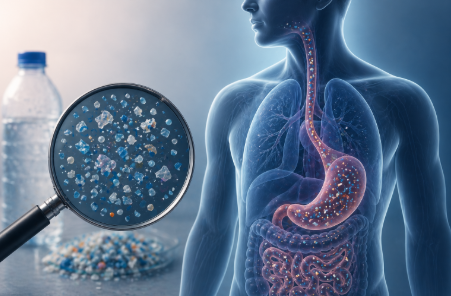
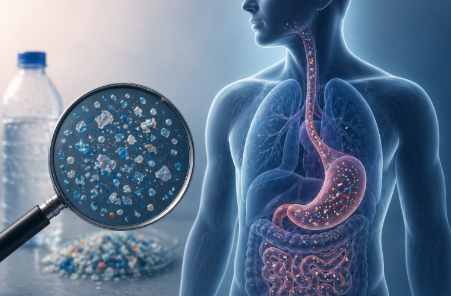
In recent years, microplastics have transitioned from an environmental curiosity to a subject of growing medical concern. Defined as plastic particles less than five millimeters in size, microplastics are now found in air, water, soil, and increasingly, within the human body. While their ecological impact has been widely discussed, their implications for human health remain an evolving and underrecognized field of study.
Microplastics enter the human body primarily through ingestion and inhalation. Drinking water, particularly bottled water, has been identified as a major source. Food products such as seafood, salt, and even fruits and vegetables may contain these particles due to environmental contamination. Inhalation of airborne microplastics, especially in urban and industrial environments, represents another significant route of exposure. Once inside the body, these particles have been detected in the bloodstream, lungs, liver, and even the placenta.
From a clinical standpoint, the concern lies not only in the physical presence of these particles but also in their biochemical activity. Microplastics often act as carriers for toxic substances, including heavy metals and persistent organic pollutants. Additionally, many plastics contain additives such as bisphenol A and phthalates, which are known endocrine disruptors. These compounds can interfere with hormonal signaling, potentially contributing to reproductive disorders, metabolic disease, and certain cancers.
One of the most pressing questions is how the body responds to microplastic accumulation. Early evidence suggests that these particles may provoke inflammatory responses. In vitro studies demonstrate that microplastics can induce oxidative stress, leading to cellular damage. This is particularly concerning in tissues with high exposure, such as the respiratory and gastrointestinal systems. Chronic inflammation is a well-established driver of disease, including cardiovascular conditions and malignancy, raising concerns about long-term health consequences.
Emerging research has also begun to explore the relationship between microplastics and the immune system. There is evidence that these particles may alter immune function by disrupting normal cellular signaling pathways. In some cases, this could lead to heightened immune responses, while in others it may impair the body’s ability to defend against infections. The implications of such dysregulation are significant, particularly in vulnerable populations such as children, the elderly, and individuals with preexisting health conditions.
A particularly striking development is the detection of microplastics in human blood. This finding suggests systemic distribution, meaning that these particles are not confined to a single organ system. The potential for microplastics to cross biological barriers, such as the blood-brain barrier, raises further concerns about neurological effects. While definitive clinical outcomes have yet to be established, the possibility of neuroinflammation or neurotoxicity warrants careful investigation.
Despite these concerns, it is important to recognize that the field is still in its early stages. Much of the current evidence comes from laboratory and animal studies. Human data, while increasing, remains limited. This creates a challenge for clinicians, who must balance emerging evidence with the need for cautious interpretation. However, the consistency of findings across multiple studies suggests that the issue is unlikely to be negligible.
From a public health perspective, prevention remains the most practical strategy. Reducing plastic use, particularly single-use plastics, can help limit environmental contamination. Choosing filtered tap water over bottled water, minimizing consumption of highly processed foods, and improving indoor air quality are reasonable steps individuals can take to reduce exposure. At a broader level, policy interventions aimed at regulating plastic production and waste management are essential.
Clinically, awareness is key. While there are currently no standardized guidelines for diagnosing or managing microplastic-related health effects, healthcare providers should remain informed about ongoing research. This is particularly relevant in cases of unexplained chronic inflammation or endocrine disruption, where environmental exposures may play a role.
In conclusion, microplastics represent a subtle yet potentially significant threat to human health. Their widespread presence, ability to carry toxic substances, and potential to induce inflammation and immune dysfunction position them as an emerging concern in modern medicine. As research continues to unfold, a clearer understanding of their clinical impact will be essential in shaping both medical practice and public health policy.
References:
Prata, Joana C., et al. “Environmental Exposure to Microplastics: An Overview on Possible Human Health Effects.” Science of the Total Environment, vol. 702, 2020, pp. 134455.
Leslie, Heather A., et al. “Discovery and Quantification of Plastic Particle Pollution in Human Blood.” Environment International, vol. 163, 2022, pp. 107199.
Wright, Stephanie L., and Frank J. Kelly. “Plastic and Human Health: A Micro Issue?” Environmental Science & Technology, vol. 51, no. 12, 2017, pp. 6634–6647.