
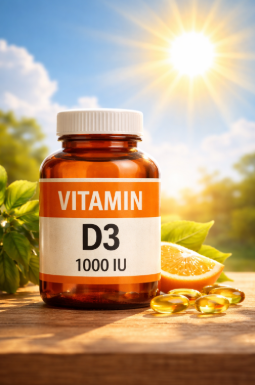
Vitamin D Deficiency: The "Hidden" Health Issue After Winter
Written By: Eshrat Quader and Rhea Mittal
As we transition out of winter, many patients begin to notice subtle changes in how they feel. Chief complaints are persistent fatigue, low energy, muscle aches, or even shifts in mood. While these symptoms are often brushed off as part of a seasonal slump, one commonly overlooked cause is vitamin D deficiency.
Known as the “sunshine vitamin,” vitamin D is essential for maintaining overall health. It plays a key role in calcium absorption, bone strength, immune function, and even mood regulation. However, despite its importance, deficiency remains widespread, especially in regions like the Northeast, where sunlight exposure is limited for several months of the year.
Vitamin D is unique because our bodies produce it when the skin is exposed to ultraviolet B (UVB) rays from sunlight. During the winter, the angle of the sun reduces UVB availability, meaning even time spent outdoors may not provide enough exposure to maintain adequate levels. According to the National Institutes of Health, a significant portion of the U.S. population has insufficient vitamin D levels, making this a quiet but important public health concern.
Beyond bone health, vitamin D has broader effects throughout the body. It helps regulate immune responses, reducing susceptibility to infections, and supports muscle function and inflammation control. Research has also suggested a link between low vitamin D levels and symptoms of depression, particularly during months with limited sunlight. While vitamin D is not a cure-all, maintaining adequate levels is an important part of overall wellness.
Certain populations are at a higher risk of deficiency. Individuals with darker skin tones have more melanin, which can reduce the skin’s ability to produce vitamin D from sunlight. Older adults may have decreased capacity to synthesize vitamin D, while those who spend most of their time indoors may not receive sufficient sun exposure. Additionally, consistent sunscreen use, while essential for preventing skin cancer, can also limit vitamin D production.
One of the challenges with vitamin D deficiency is that its symptoms are often nonspecific. Fatigue, generalized aches, and low mood can be attributed to many causes, making it easy to overlook. This is why testing is important. A simple blood test can determine vitamin D levels and guide appropriate treatment if needed.
Fortunately, addressing vitamin D deficiency is relatively straightforward. Safe sun exposure can help boost natural production. Dietary sources also play a role, including fatty fish like salmon and tuna, fortified dairy products, and egg yolks. However, for many individuals, especially in northern climates, diet and sunlight alone may not be enough.
In these cases, supplementation may be recommended. The Endocrine Society provides clinical guidelines emphasizing individualized vitamin D intake based on a patient’s specific levels and health status. It is important that supplementation is guided by a healthcare provider to ensure both safety and effectiveness.
From a broader perspective, vitamin D deficiency reflects how environmental and social factors influence health. Limited access to outdoor spaces, long working hours indoors, and gaps in nutritional education all contribute to this issue. Addressing it requires not only individual awareness but also a community-based approach that prioritizes preventive care and accessible health information.
As spring begins, it offers a natural opportunity to reset routines and re-engage with habits that support well-being. Sometimes, improving our health does not require dramatic changes, but rather small, consistent steps, like spending more time outdoors or being mindful of nutritional intake.
Recognizing and addressing vitamin D deficiency is one of those steps. By paying attention to these subtle signals, patients and providers can work together to support long-term health in a meaningful and sustainable way.
References:
“Nutrition Data and Statistics.” Centers for Disease Control and Prevention, Centers for Disease Control and Prevention, www.cdc.gov/nutrition/php/data-research/index.html. Accessed 15 Apr. 2026.
“Office of Dietary Supplements - Vitamin D.” NIH Office of Dietary Supplements, U.S. Department of Health and Human Services, ods.od.nih.gov/factsheets/VitaminD-HealthProfessional/. Accessed 15 Apr. 2026.
“Vitamin D for the Prevention of Disease.” Vitamin D for the Prevention of Disease | Endocrine Society, Endocrine Society, 24 June 2024, www.endocrine.org/clinical-practice-guidelines/vitamin-d-for-prevention-of-disease.