Different Ways Back Pain Can Develop
Written By: Eshrat Quader and Rhea Mittal
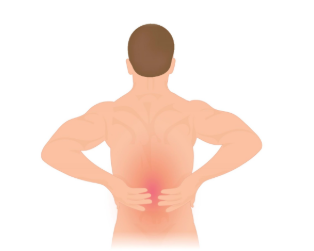
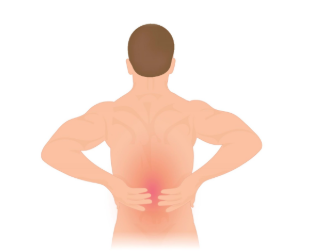
Back pain is one of the most common health concerns worldwide, affecting nearly everyone at some point in their lives. In fact, research suggests that up to 80% of adults will experience some form of back discomfort during their lifetime. While it can sometimes arise from sudden injuries, such as lifting something too heavy or twisting awkwardly, back pain is also strongly associated with aging and conditions like osteoporosis. Often, people first notice stiffness, soreness, or pain that gradually worsens over time. Because the spine is such a central part of movement and posture, even mild problems can interfere with everyday life. Understanding the different ways back pain can develop is the first step toward prevention and effective management.
One of the leading contributors to back pain is arthritis, specifically osteoarthritis. This condition occurs when the protective cartilage that cushions the joints wears down gradually. In the spine, the joints between the vertebrae are particularly vulnerable. As cartilage erodes, bones can rub against each other, leading to inflammation, stiffness, and pain. Osteoarthritis of the spine often develops slowly over many years and is more common in older adults, though younger people who have had injuries or who are genetically predisposed may also be at risk. Symptoms include limited flexibility, difficulty bending or twisting, and chronic discomfort that tends to worsen with physical activity.
While arthritis cannot be reversed, treatments such as physical therapy, anti-inflammatory medications, and low-impact exercise can help reduce pain and preserve mobility. Lifestyle factors like maintaining a healthy weight are also important, since excess weight puts more strain on spinal joints.
Another frequent cause of back pain is degenerative disc disease. The discs between vertebrae act like cushions, absorbing shock and allowing smooth movement of the spine. Over time, these discs can lose water content, shrink, or even rupture. When that happens, they may irritate surrounding nerves or muscles, leading to chronic pain. Degenerative disc disease often begins with mild soreness but can progress to more severe pain that radiates down the legs or causes tingling sensations, a result of nerve compression. Although the word “disease” makes it sound unusual, this condition is in fact, a natural part of aging for many people. Still, certain factors, such as smoking, obesity, or repeated heavy lifting, can accelerate the process. Treatment may include physical therapy to strengthen supportive muscles, targeted injections to reduce inflammation, and in advanced cases, surgical options.
Spinal stenosis, another common condition, involves the narrowing of spaces within the spine. This narrowing places pressure on the spinal cord and nerve roots, which can lead not only to pain but also to numbness, tingling, and weakness in the back, legs, or arms. Spinal stenosis is most often the result of age-related changes, such as thickened ligaments, bone spurs from arthritis, or degenerative disc issues that reduce available space. Symptoms may worsen when standing or walking for long periods, since these activities increase pressure on the spinal column. Many people with spinal stenosis find relief when sitting or leaning forward. Treatment often involves physical therapy, medications, and in some cases surgery to create more space within the spine and relieve pressure on the nerves.
Although back pain is common, there are proactive ways to reduce the risk of developing these conditions. Regular exercise, particularly activities that strengthen the core and improve flexibility, helps support the spine. Practicing good posture, avoiding prolonged sitting, and using ergonomic furniture can also make a difference. Maintaining a healthy weight is especially important, as excess pounds increase pressure on the spinal structures.
Back pain can develop in many ways, most commonly through arthritis, degenerative disc disease, or spinal stenosis. While these conditions are closely linked to aging, lifestyle choices and preventive care play a significant role in reducing their impact. By staying active, protecting spinal health, and seeking medical care when pain first appears, people can maintain their mobility and quality of life well into older age.
References:
Texas Health. Is Back Pain Avoidable as We Age?
https://www.texashealth.org/Health-and-Wellness/Back-and-Spine/Is-Back-Pain-Avoidable-as-We-Age
Penn Medicine. Spine Pain and Age.
https://www.pennmedicine.org/updates/blogs/neuroscience-blog/2023/february/spine-pain-and-age
Pain Medicine Consultants. Is Back Pain Normal as You Age?
https://www.painmedicineconsultants.com/blog/is-back-pain-normal-as-you-age
Johns Hopkins Medicine. Lower Back Pain: What Could It Be?
https://www.hopkinsmedicine.org/health/conditions-and-diseases/back-pain/lower-back-pain-what-could-it-be
NCBI. Epidemiology of Back Pain.
https://www.ncbi.nlm.nih.gov/books/NBK586768