Fall into the Season with Pumpkins!
Written By: Mariam Shahzad and Ihsaan Alam
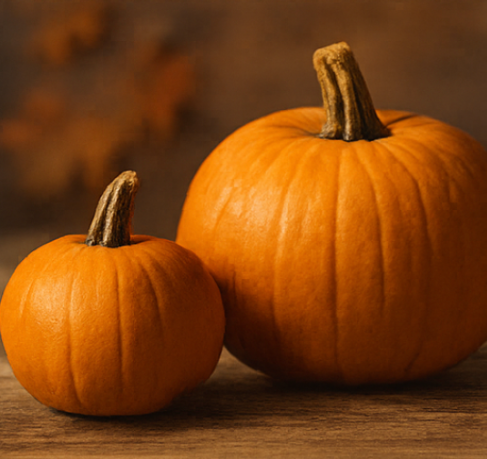
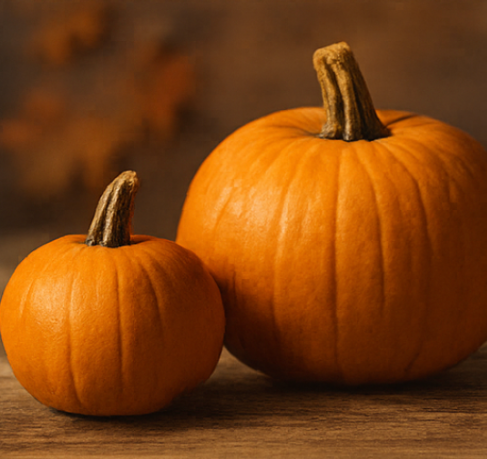
Pumpkin season doesn’t end on Halloween. As November rolls in, pumpkin takes over dinner tables, cafés, and Thanksgiving menus everywhere, but this fall favorite isn’t just a seasonal treat. Behind its comforting flavor and bright orange color, pumpkin is packed with nutrients and powerful compounds that can benefit nearly every part of your body. From boosting immunity to supporting heart and skin health, science shows there’s a lot more to love about pumpkin than just pie.
Pumpkin is one of the most nutrient-dense foods you can eat. It is naturally low in calories and rich in vitamins, minerals, and antioxidants. Its bright color comes from beta-carotene, a plant pigment that your body converts into vitamin A to support your immune system and eye health. It’s also loaded with vitamin C, vitamin E, potassium, and fiber, which help fight inflammation and promote healthy digestion. Recent studies highlight just how complex this fruit really is. Every part of the pumpkin, from the flesh to the seeds and even the peel, contains valuable bioactive compounds, including healthy fatty acids, carotenoids, tocopherols, tryptophan, and plant sterols. These compounds contribute to pumpkin’s antioxidant, anti-inflammatory, and even wound-healing effects. Researchers have also explored pumpkin’s potential to support reproductive health and fight ulcers!
Pumpkin has been used around the world for centuries, from soups in Mexico and Austria to medicinal recipes in China and parts of Africa. In modern medicine, it’s considered a functional food, meaning it not only nourishes but may also help prevent disease. Some scientists are even testing pumpkin seed oil in innovative drug-delivery systems like nanoemulsions and niosomes, which could make its health compounds easier for the body to absorb. While more research is needed, these discoveries show that pumpkin’s role in healthcare may just be getting started.
The best part? Pumpkin is easy to enjoy in ways that are both healthy and delicious. Stir pure pumpkin puree into oatmeal or yogurt, blend it into a smoothie, or use it as a creamy base for soups. Roasted pumpkin cubes make a perfect side dish, while pumpkin seeds (pepitas) add a satisfying crunch and provide magnesium and healthy fats. Pair pumpkin with lean proteins like turkey for a balanced, heart-healthy fall meal ideal for the Thanksgiving season. And while pumpkin-flavored lattes and pies are seasonal favorites, it’s best to enjoy them in moderation since they’re often high in sugar. Whenever possible, choose 100% pure pumpkin instead of sweetened pie filling to get all the nutritional benefits without the excess sugar.
Pumpkin isn’t just a fall tradition; it’s a nutritional powerhouse backed by science. Whether it’s boosting immunity, improving heart and skin health, or offering promising therapeutic potential, this seasonal staple proves it deserves a spot on your plate long after the leaves fall. So as you sit down for Thanksgiving dinner, go ahead and reach for that extra serving of pumpkin; your body will thank you for it.
References:
Batool M., et al. Nutritional Value, Phytochemical Potential, and Health-Promoting Applications of Pumpkin. Molecules, 2022.
National Institutes of Health. Vitamin A & Carotenoids — Health Professional Fact Sheet. Office of Dietary Supplements, 2025.
U.S. Department of Agriculture. FoodData Central: Pumpkin, raw and canned — nutrient profiles. USDA, 2024.