The Rising Health Risks of Ultra-Processed Foods
Written By: Eshrat Quader, Samira Esha, and Sahannah Seemungal
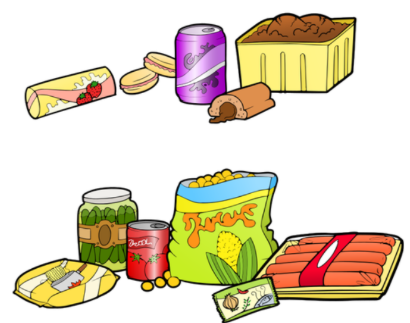
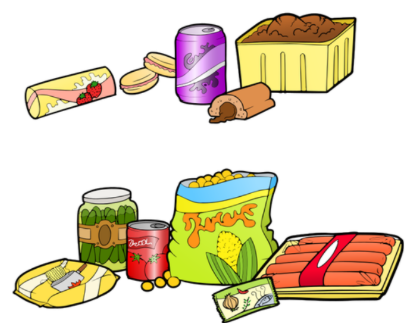
In today’s busy world, it is easy to reach for sodas and chips to packaged snacks and frozen dinner. These may be the quickest and most convenient food option, but they are also ultra-processed. According to the World Health Organization (WHO), ultra-processed foods are products that go through multiple industrial processes and often contain artificial flavors, preservatives, emulsifiers, and other additives. While they may be tasty and inexpensive, their long-term effects on health are increasingly concerning. Recent studies have shown that diets high in ultra-processed foods are linked to chronic illnesses, gut health imbalances, and even mental health problems. Though convenient, these foods may be doing more harm than good.
One of the clearest dangers of ultra-processed foods is their poor nutritional profile. Harvard’s School of Public Health explains that these foods tend to be high in sugars, sodium, and unhealthy fats while lacking essential nutrients like fiber, protein, and vitamins. In other words, they provide calories with little nourishment. The National Institutes of Health (NIH) has reported that people who consume large amounts of ultra-processed foods face a higher risk of obesity, type 2 diabetes, and cardiovascular disease. Over time, this nutritional imbalance creates a cycle where the body takes in energy but not the building blocks it needs for health. Beyond calories and nutrients, ultra-processed foods can disrupt gut health. The WHO has noted that preservatives and additives may alter the gut microbiome, the delicate balance of bacteria that support digestion, immunity, and overall well-being. Research shows that when this balance is disturbed, inflammation levels in the body can rise. Chronic inflammation is linked to diseases ranging from heart conditions to autoimmune disorders. In this way, the additives in ultra-processed foods may be silently affecting one of the body’s most important systems.
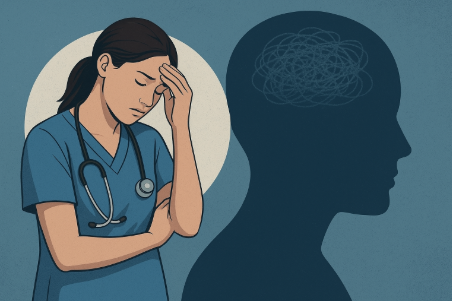
One of the most surprising risks associated with ultra-processed foods is their connection to mental health. A study published in PMC (PubMed Central) found that individuals who regularly consumed ultra-processed foods were more likely to experience depression and anxiety. Experts suggest several possible explanations. First, the sugar spikes and crashes caused by sodas, candies, and processed baked goods can affect mood stability. Second, chronic inflammation, often driven by additives, may influence brain health. Third, diets heavy in ultra-processed foods tend to lack nutrients like B vitamins, magnesium, and omega-3 fatty acids, all of which play a role in brain function. While mental health is complex and influenced by many factors, these studies suggest that food quality is an important piece of the puzzle.
Eliminating ultra-processed foods completely may not be realistic. They are widely available, heavily marketed, and often cheaper than fresh alternatives. Still, small adjustments can make a big difference. Choose minimally processed options. Plain yogurt, whole-grain bread, and fresh or frozen vegetables are healthier swaps for heavily processed versions. Cook in batches. Preparing meals ahead of time reduces reliance on frozen dinners or takeout. By making gradual changes, individuals can cut back on harmful additives while still keeping meals practical and convenient.
Ultra-processed foods are a staple of modern life, but their health risks are becoming harder to ignore. They provide little nutrition, disrupt gut health, and may even affect mental well-being. The NIH, Harvard School of Public Health, and WHO all point to the same t mean convenience must be sacrificed. By making thoughtful swaps, cooking in advance, and becoming mindful of labels, it is possible to reduce reliance on processed products. While society as a whole will need to confront this issue, individuals can take steps now to protect their health. Investing in real, whole foods today may be the key to a healthier, longer, and more balanced life tomorrow.
References:
Harvard T.H. Chan School of Public Health. “Ultra-Processed Foods Linked to Poorer Brain Health.” Harvard T.H. Chan School of Public Health, 23 May 2023, https://hsph.harvard.edu/news/ultra-processed-foods-poorer-brain-health/
.
Harvard T.H. Chan School of Public Health. Ultra-Processed Foods: Impacts on Health and Public Policy. U.S. National Library of Medicine, article no. PMC8747520, https://www.ncbi.nlm.nih.gov/pmc/articles/PMC8747520/
.
World Health Organization. “Diet and Health Subgroup, Nutrition Guidance Expert Advisory Group (NUGAG).” WHO, https://www.who.int/groups/nutrition-guidance-expert-advisory-group-(nugag)/diet-and-health