
The Alzheimer's - Diabetes Connection
Written By: Xilene Gomez and Sahannah Seemungal
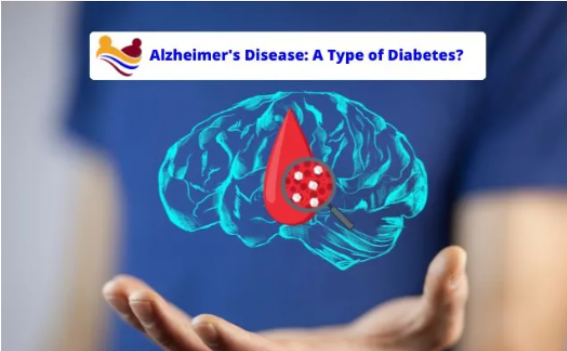
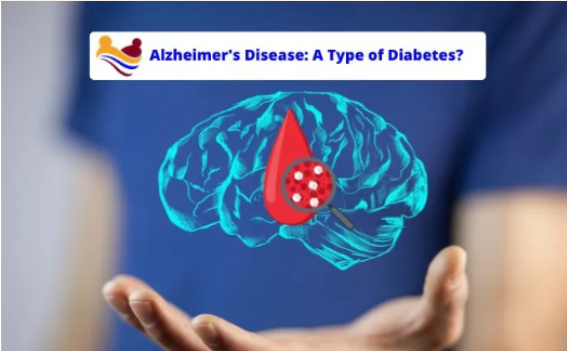
Did you know that Alzheimer’s disease and diabetes, two diseases that might seem unrelated, could be more connected than previously understood? Emerging evidence suggests that insulin resistance in the brain could play a role in Alzheimer’s, which has long been considered a mysterious neurodegenerative condition, resulting in some experts referring to Alzheimer's as “Type 3 diabetes.” This finding provides a new perspective on how the two conditions arise and influence each other. It also suggests the possibility of repurposing diabetic treatments to improve the way we treat Alzheimer’s.
To understand this connection, it is essential to distinguish the characteristics of Alzheimer’s and diabetes, as each disease brings unique health challenges. As defined by the World Health Organization, diabetes is a chronic disease in which the body is either unable to produce enough insulin or cannot effectively use the insulin it makes. Insulin is a hormone that absorbs glucose from the blood, providing energy for our bodies to function properly. If left uncontrolled, diabetes can lead to severe damage across body systems, including the brain.
Regarding Alzheimer’s disease, it is a form of dementia. Dementia is defined as “the loss of cognitive functioning—thinking, remembering, and reasoning—to an extent that it interferes with a person’s daily life.” It is a progressive condition, meaning symptoms gradually worsen over time. While the exact causes are still debated, new research suggests that Alzheimer’s might involve a form of insulin resistance in the brain, similar to what happens in Type II diabetes.
Both diabetes and Alzheimer's are common conditions that share a fascinating feature—insulin resistance. In diabetes, the cells of the body are unable to respond well to the insulin resulting in increased levels of sugar in the blood. Researchers believe that in regards to Alzheimer's, a similar type of failure is occurring in the brain, where brain cells are not responding to insulin, therefore causing cognitive decline in patients. According to the statistics of the CDC, people diagnosed with Type I and Type II diabetes are rapidly increasing. Moreover, the prevalence of Alzheimer's ''doubles every five years!'' As this overlap continues to grow, the more it opens the door to potential promising possibilities, including using diabetes treatments to help people suffering from Alzheimer's. For example, drugs that improve insulin sensitivity in diabetes, such as Metformin, are being explored for their potential to enhance memory and cognitive function in those with Alzheimer's.
However, while the link between Alzheimer's and diabetes raises interesting possibilities, it is critical not to oversimplify because referring to Alzheimer’s as “Type 3 diabetes” may create false hopes for treatment. Patients and healthcare providers need to consider all of the factors that contribute to Alzheimer’s, not just those linked to diabetes. Focusing solely on diabetes-related treatments could lead to overlooking other important pathways and solutions for Alzheimer’s.
Overall, the link between Alzheimer’s and diabetes holds a promising future for Alzheimer’s treatment plans. With a limited understanding of Alzheimer’s and its causes, scientists may discover new ways to slow or prevent Alzheimer’s by exploring how insulin resistance affects the brain. Although the new classification of Alzheimer’s as “Type 3 diabetes” may give rise to misleading expectations about treatment, patients and healthcare providers must take into account all factors that contribute to Alzheimer’s, not just those linked to diabetes. With continued and thorough research, there is hope that innovative treatments will emerge and researchers will discover new methods for prevention and treatment, ultimately bringing hope to the millions of people suffering from Alzheimer’s.
References:
Arnold, Steven E et al. “Brain insulin resistance in type 2 diabetes and Alzheimer Nature reviews. Neurology vol. 14,3 (2018): 168-181. doi:10.1038/nrneurol.2017.185
Decourt, Boris et al. “The Cause of Alzheimer's Aging and disease vol. 13,1 37-60. 1 Feb. 2022, doi:10.14336/AD.2021.0529
"Diabetes." World Health Organization, 14 Nov. 2024, www.who.int/news-room/fact-sheets/detail/diabetes. Accessed 7 Jan. 2025.
Michailidis, Michalis et al. “Antidiabetic Drugs in the Treatment of Alzheimer's Disease.” International journal of molecular sciences vol. 23,9 4641. 22 Apr. 2022, doi:10.3390/ijms23094641
Nguyen, Thuy Trang et al. “Type 3 Diabetes and Its Role Implications in Alzheimer's Disease.” International journal of molecular sciences vol. 21,9 3165. 30 Apr. 2020, doi:10.3390/ijms21093165
"What Is Alzheimer's Disease?" National Institute of Aging, www.nia.nih.gov/health/alzheimers-and-dementia/what-alzheimers-disease. Accessed Jan. 7, 2025.
"What Is Dementia? Symptoms, Types, and Diagnosis." National Institute of Aging, www.nia.nih.gov/health/alzheimers-and-dementia/what-dementia-symptoms-types-and-diagnosis#:~:text=Dementia%20is%20the%20loss%20of,and%20their%20personalities%20may%20%20change. Accessed Jan. 7, 2025.