The Effect of Socioeconomic Factors on Scoliosis
Written By: Rhea Mittal , Sahannah Seemungal, and Laila Ibrahim
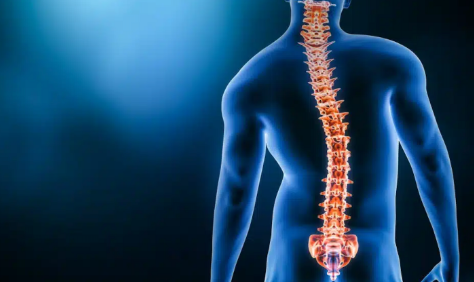
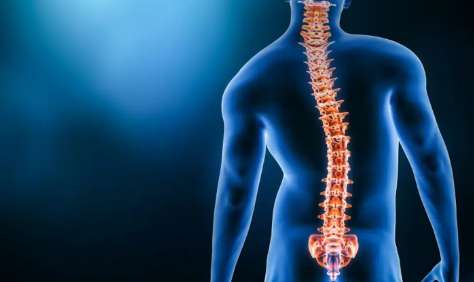
The human spine is a vital component of a complex network of nerves and muscles that controls movement, known as the motor system. It performs essential functions such as protection, support, motor, and cushion for an individual. Deformities in this body structure can not only result in developmental complications, but irreversible neuropsychological damage as well. Among these deformities is scoliosis, a sideway curvature in the spine that causes the formation of an “S” or “C” shape. A correlation between scoliosis in adolescents and socioeconomic factors is currently being researched to minimize the amount of spinal curvature. Socioeconomic factors include race, age, sex, access to food, insurance, and ability to treat the prognosis. Social determinants like these are shown to influence the health and outcome of pediatric patients, specifically those struggling with idiopathic scoliosis.
A meta-analysis is a study that combines multiple different studies on the same subject to determine if there are any overall trends to be noted, many of which were conducted on this topic. The overall data shows that children in a lower insurance group and status present a curve 6 degrees more severe than those with better insurance status. Similarly, their preoperative curve is 4 degrees larger, leading them to have a lower bracing threshold.
Bracing is a common way of treating scoliosis and prevents further curve progression in patients presenting a 20-45-degree curve. However, compliance with bracing is low due to discomfort and extended wear time. Especially with children at younger ages, physicians find that they do not wear their braces at school due to the restrictions they see within them. The most frequent complaints that come with bracing include pain, function, self-image, and mental health. Often, children do not want to address their scoliosis concerns due to the way they differ from their peers. Findings suggest that addressing physical discomfort and mobility could improve compliance rates and prevent the progression of spine curvature.
A “Cobb angle” is a measurement commonly used to determine the degree to which the spine is curved due to scoliosis. The number is found by calculating the angles on an X-ray between the upper and lower endplates of the vertebrae. Studies show that there are over double as many female patients as males in terms of diagnosis of idiopathic scoliosis. Furthermore, different races have varying degrees of Cobb angle severity. Currently, there is a large variation in data between the association of race and severity of spinal curves. There are, however, correlations between socioeconomic factors and race that can provide explanations for idiopathic prevalence and curve severity. By addressing bracing issues and conducting further research on socioeconomic determinants of scoliosis and their effect on pediatric patients, physicians will be able to effectively diagnose and treat idiopathic scoliosis, ultimately minimizing the progression of scoliosis and enhancing patient outcomes in the future.
References:
Latalski, Michał et al. "Socio-economic conditionings of families with children treated due to scoliosis in Eastern Poland." Ann Agric Environ Med., vol. 19, no. 3, 2012, pp. 513-521. Socio-economic conditionings of families with children treated due to scoliosis in Eastern Poland
Laubach, Logan, et al. “Socioeconomic Factors Correlation with Idiopathic Scoliosis Curve Type and Cobb Angle Severity.” Cureus, U.S. National Library of Medicine, 14 Feb. 2023, pmc.ncbi.nlm.nih.gov/articles/PMC10019979/#:~:text=Conclusions%3A%20The%20severity%20of%20IS,correlated%20with%20Cobb%20angle%20severity.
Orellana KJ;Lee J;Yang D;Hauth L;Flynn JM; “Impact of Social Determinants of Health on Adolescent Idiopathic Scoliosis Curve Severity.” Journal of Pediatric Orthopedics, U.S. National Library of Medicine, pubmed.ncbi.nlm.nih.gov/37796167/. Accessed 25 Feb. 2025.