Ergonomics in Business: Moving and Storage
Written By: Laila Ibrahim
From adjusting the height of a chair to being provided a tool with padded handles, all of these are examples of Ergonomics. Ergonomics is the science of designing things that workers use in a safe way, in order for workers to complete their jobs safely and efficiently. Ergonomics encompasses a variety of factors, such as tool design, workstation setup, environment, and lighting. The Occupational Safety and Health Organization (OSHA), heavily emphasizes the significance of Ergonomics, and its role in preventing musculoskeletal disorders (MSDs), and other work-related injuries. A workplace that incorporates poor Ergonomics fails to provide their employees with proper equipment, workplace arrangement, and appropriate training, examples of this include chairs that lack lumbar support, equipment that hasn’t been maintained (leading to its malfunction), or even being taught to lift things with your back instead of your legs!
Ergonomics has a place in every workplace setting. Jon, owner of ‘Anything Movers and Storage’, has provided us with the basic framework of how he, as an owner of a moving and storage company, implements ergonomics in his workplace.
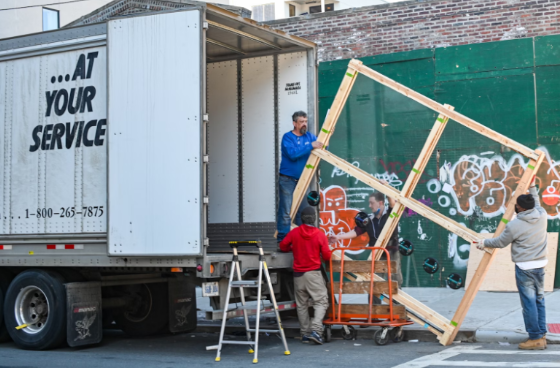
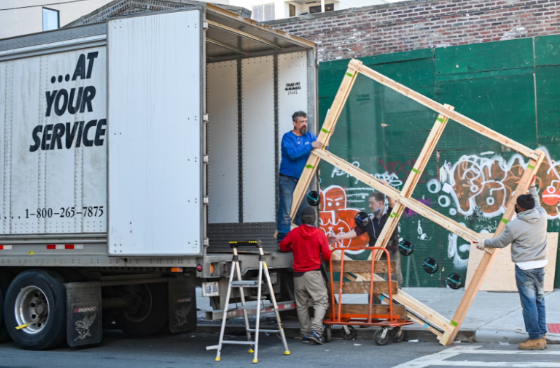
‘Anything Moving and Storage’ is a company that serves the tri-state area, specializing in moving and storage for residential and commercial buildings. In a workplace such as this, workers will not only do hours of physical work, but they also operate heavy machinery. So, how is Ergonomics at play here? Jon explained the variety of ways in which he applies Ergonomics in his workplace. For employees specifically, Jon had made sure that his workers “practice safe lifting, always with their legs and not their back”. This highlights a key aspect of Ergonomics in the workplace, making sure employees know how to lift, in order to prevent injury and overall discomfort. Another way in which Jon has made sure to implement safety in his workplace is through training. Jon’s training not only encompasses shadowing and safety training, he also ensures his new employees know “how to carry” and he does that by “pairing them with someone experienced” in order to prevent strain and injury. At ‘Anything Moving and Storage’, safety is a top priority and Ergonomics is heavily implemented.
However, even in a workplace where all safety requirements are met, and machinery is properly maintained, workers may still find themselves feeling sick, tired, or fatigued. Jon, like many responsible employers, always encourages his workers to voice their discomfort.
Whether you’re an employer, employee, or someone who finds themselves operating machinery, or doing physical labor, it’s important to understand Ergonomics and why it’s necessary. Ergonomics isn’t just about comfort, it’s about creating a safe and efficient workplace environment. When Ergonomics is implemented properly, workers experience less tiredness, fatigue, and overall injury. In all industries, whether you sit on an office chair at a desk, lift boxes, or draw blood, applying Ergonomics is a great way to create a sustainable and safe environment for everyone around. It’s important to minimize strain as much as possible.
For employees, if there are machines present for your use, use them! Don’t push yourself past your limit and always voice your discomfort. For employers, it’s important to keep machinery up-to-date and working properly, always ensure your employees are feeling safe and well enough to work!
References
“Ergonomics - Overview | OSHA.gov | Occupational Safety and Health Administration.” Osha.gov, 2014, www.osha.gov/ergonomics/.
CDC. “About Ergonomics and Work-Related Musculoskeletal Disorders.” Ergonomics and Musculoskeletal Disorders, 9 May 2024, www.cdc.gov/niosh/ergonomics/about/index.html.
Edwards, Caroline, et al. “Ergonomics.” PubMed, StatPearls Publishing, 28 July 2022, www.ncbi.nlm.nih.gov/books/NBK580551/.