
Relieving Chronic Pain through Neuromodulation
Written by: Karina Fernandez-Saito and Rhea Mittal
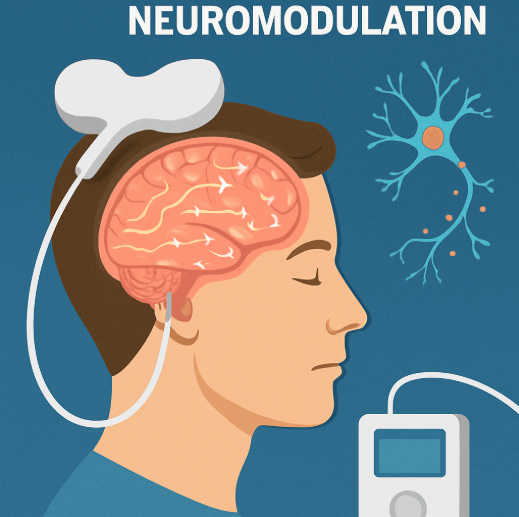
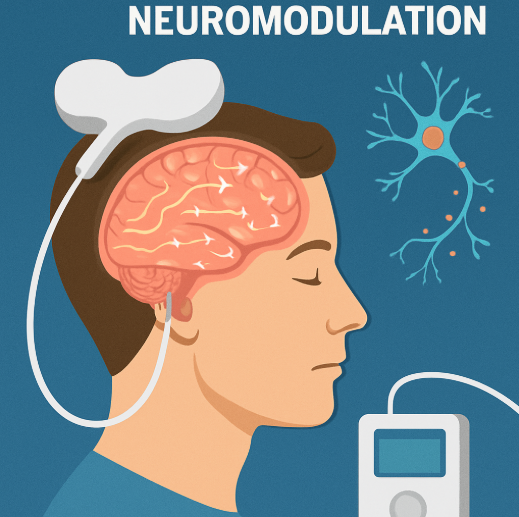
Throughout the world, individuals unfortunately struggle with chronic pain or neurological disorders, affecting the nervous system and causing them immense distress. After a thorough evaluation of a patient, and when other measures have been met yet do not alleviate any suffering, doctors may recommend neuromodulation if certain conditions are met. Neuromodulation is a form of medical bioengineering to improve the quality of life for humans through electrical, chemical, or mechanical means. It aims to help the function of the central, peripheral, or autonomic nervous system. An example of current neuromodulation technology is the neuroprosthetic, cochlear implants. These devices can restore hearing in individuals with hearing loss by stimulating the auditory nerve directly. Additionally, advancements in neuromodulation techniques continue to evolve, offering hope for treating various chronic pain conditions and neurological disorders. This form of neuromodulation utilizes electrical stimulation to reach the auditory nerves of a person with a lack of sensory cells within the ear. Two well-known forms of neuromodulation procedures are the peripheral nerve stimulation and the spinal cord stimulator.
The peripheral nervous system is a network found outside of the central nervous system (including the brain and spinal cord) consisting of nerves and ganglia. When areas of the peripheral nervous system are damaged, signals are relayed back to the central nervous system, causing an individual to feel an ache or discomfort. With peripheral nerve stimulation (PNS), this noninvasive procedure involves injecting a small electrical device next to the affected peripheral nerve. Electrical pulses are sent to the brain at rapid speeds, interrupting painful signals and reducing suffering for the patient. Recent PNS technology has begun to target reflexes, or involuntary responses to stimuli. Several conditions that have been proven to alleviate neural issues through PNS include chronic back, knee, and shoulder pain; complex regional pain syndrome; migraines; and finally, nerve injuries. Similar to the PNS, the spinal cord stimulator (SCS) also utilizes electrical signals to help alleviate pain for an improved quality of life and is used as a final resort after exhausting other treatments. However, with SCS, this mechanism focuses on broader pain relief, targeting the spinal cord. It can help manage discomfort and offer relief with post-surgery pain, heart, nerve-related, and chronic back pains, and other forms of chronic injuries. This technology involves a pacemaker that is surgically placed under the skin and consists of electrodes, which are thin wires that send electrical signals to the spinal cord to relieve pain. When an individual with the SCS implant deals with pain or aching, they can use a remote connected to the pacemaker to send the signals. With traditional forms of stimulators targeted for the spine, they typically cause a light tingling sensation for an individual; however, with the latest form of SCS, that sensation is no longer felt.
Depending on the duration of time a patient has dealt with chronic pain due to issues impacting their nervous system, it may influence how long they would require the PNS or the SCS implant. After a trial period with the implant, physicians can better understand if a shorter or longer time frame would best suit the patient. Once the trial period is complete, patients struggling with intense chronic pain can opt for a longer-lasting PNS implant. On the other hand, the SCS implant consists of three main stimulator types, which a patient can choose from. Each type targets a different part of the body, and depending on the type, a battery may or may not need to be replaced through another surgical procedure. While there may be harms associated with either PNS or SCS procedures and implants, each patient must carefully approach this technology and ask their primary physician if they believe this is the right call for them.
There are new ways for patients to resolve chronic pains to help regain their quality of life and get back to daily tasks without a painful burden weighing on them. Through the procedures of neuromodulation, it can help to replace medication to treat chronic agonies.
References:
Author links open overlay panelElliot S. Krames, and Publisher SummaryThis chapter focuses on the process of neuromodulation. “What Is Neuromodulation?” Neuromodulation, Academic Press, 17 Dec. 2009, www.sciencedirect.com/science/article/abs/pii/B9780123742483000021?via%3Dihub.
“Peripheral Nerve Stimulation.” Weill Cornell Medicine, weillcornell.org/peripheral-nerve-stimulation. Accessed 28 Apr. 2025.
“Spinal Cord Stimulator.” Johns Hopkins Medicine, 22 Mar. 2023, www.hopkinsmedicine.org/health/treatment-tests-and-therapies/treating-pain-with-spinal-cord-stimulators.