Combating Health Misinformation
Written by: Sahannah Seemungal and Karina Fernandez-Saito
Misinformation about health isn’t new, as myths surrounding disease and treatments have circulated for centuries. A recent and greatly recognized example occurred during the COVID-19 pandemic in 2020. According to a study, 8 out of every 10 adults had heard at least one out of the eight common false statements about Covid-19, and many either believed it or weren’t sure if it was accurate (Hamel et al. 2021). Throughout the pandemic, numerous myths about prevention, treatment, and the virus itself spread rapidly, leading to a growing distrust in the scientific community and public health researchers.
Covid-19 is not the only public health crisis that has been accompanied by its own list of myths. Disease outbreaks in the past have shown a rise of misinformation, especially during times of uncertainty when people try to make sense of events, with a lack of verified facts. False health information can lead to confusion, fear, and mistrust within the healthcare system and the public.
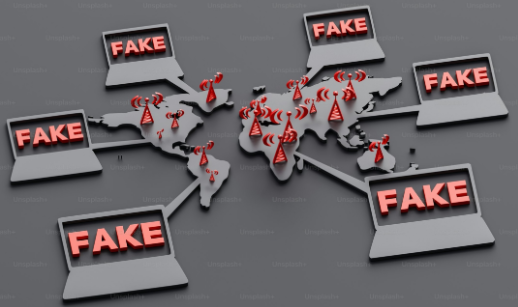
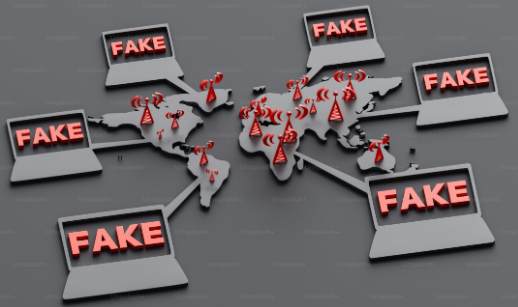
In today’s digital age, where information is more accessible than ever before, it has been excruciatingly difficult to separate fact from fiction. Some health officials refer to it as an “infodemic.” Health-related content spreads easily online, particularly through social media platforms, being frequently shared without validation or expert review. This easier access to information is analogous to junk food–it’s convenient and tempting but often harmful. Social media platforms use a strategic method to spread content that induces strong emotions such as fear or anger because emotions tend to make information more memorable, even when it is false. People are also greatly influenced by emotion, and this can interfere with their ability to critically examine health information, making it difficult to determine whether a claim is an evidence-based fact. Fortunately, individuals can implement several strategies to recognize and avoid being deceived by health misinformation:
1. Identify the original source.
When coming across a questionable health claim, it is important to locate the original source. Misinformation often utilizes vague phrases such as “experts say” or “studies show” without including proper citations. If no source is provided, the information should not be trusted. If the source is cited, it should be verified for credibility. Some trusted sources include public health organizations such as the Centers for Disease Control and Prevention (CDC), the World Health Organization (WHO), and professional medical associations like the American Medical Association (AMA), as they all utilize evidence-based research and peer-reviewed data.
2. Determine the author’s credibility.
If a health article mentions an author or researcher as its source, it’s important to investigate their background and credentials. There are several questions viewers should be asking: are they qualified in the medical or scientific field? Are they known to be trustworthy by their peers, including those with alternate viewpoints?
3. Check information across multiple sources.
Health claims are reliable typically when they are supported by multiple credible sources. In science, discoveries gain legitimacy when other studies have consistent results as well. For example, a treatment for a disease is more likely to be effective if it has been validated through repeated experiments and peer-reviewed research.
4. Avoid confirmation bias.
Confirmation bias refers to the favoring of information that aligns with an individual’s existing beliefs, and typically occurring without conscious awareness. This innate bias can lead to ignored evidence that contradicts those beliefs. To avoid this, readers should make an effort to look for multiple perspectives and remain open to alternative viewpoints, even if they challenge personal opinions.
5. Consult medical professionals.
Last but certainly not least, when in doubt of determining if a health claim is true, individuals should consult with their healthcare providers. Medical professionals spend years of training implementing medical strategies to deliver the best evidence-based health information so that their patients can make informed decisions tailored to their health needs.
While the digital age has made the spread of misinformation easier, individuals developing the skills to evaluate health information critically can not only protect themselves, but also help those around them. Having access to information is powerful, but knowing how to properly assess and apply that information is how an individual can combat falling for misinformation.
References:
Frontiers in Psychology, vol. 12, 2021, https://www.ncbi.nlm.nih.gov/pmc/articles/PMC8626327/.
"Health Misinformation: How to Identify Reliable Sources Online." IU Health, 10 Apr. 2025, https://iuhealth.org/thrive/health-misinformation-how-to-identify-reliable-sources-online
"How to Spot and Combat Health Misinformation."Centers for Disease Control and Prevention, 23 Feb. 2023, https://www.cdc.gov/about/organization/spot-combat-health-misinformation.html
"KFF COVID-19 Vaccine Monitor: Media and Misinformation." KFF, 8 Nov. 2021, https://www.kff.org/coronavirus-covid-19/poll-finding/kff-covid-19-vaccine-monitor-media-and-misinformation/
Pluviano, Sara, et al. "The Impact of Confirmation Bias Awareness on Mitigating Susceptibility to Misinformation."
"5 Tips for Spotting Health Misinformation."Digital Medic, Stanford University School of Medicine, https://digitalmedic.stanford.edu/resources/5-tips-for-spotting-health-misinformation/. Accessed 13 May 2025.