The Importance of Fiber in High Protein Diets
Written By: Samira Esha and Rhea Mittal
Many people interested in a healthier diet or losing weight focus on incorporating more protein into their meals. The International Food Information Council Foundation found that 50 percent of its consumers wanted to increase their protein intake, and 37 percent associated protein-rich diets with weight loss. While protein is important to include in a healthy lifestyle, the importance of fiber is often neglected in popular diets like the keto or carnivore diet. Most Americans only consume half of the recommended amount of fiber.
Protein is a necessary nutrient for everyday bodily functions. It is responsible for building muscles, bones, cartilage, and skin by aiding in the formation of new cells and tissues. These functions lead to numerous benefits like weight loss, lower blood pressure, a high-functioning metabolism, and decreased muscle loss. Protein can also promote weight loss because it helps to stay full for a longer time, reducing the need for more meals or snacking.
Fiber also has many benefits when incorporated into meals. It can help control blood sugar levels, maintain a healthy weight, and make you feel full quickly. Furthermore, Fiber ensures that bowel movements are working normally by promoting digestion and gut health. Since the body cannot digest fiber, bacteria in the colon feed on it, improving our health.
Although high protein can be beneficial for those looking to improve their diet and weight, having a good balance of both fiber and protein is ideal. Solely focusing on protein can increase the risk of osteoporosis, a condition where the bones in the body are weakened. This can happen because calcium is taken from the bones to neutralize an excess amount of acids, which are released into the bloodstream when digesting protein. If there is too much protein that needs to be digested, an increased amount of calcium would be taken away from the bones.
Additionally, a lack of fiber-rich carbohydrates leads to less glucose, which comes from carbohydrate digestion. Less glucose can decrease brain and muscle function.
Studies found that those who consumed a combination of both high protein and fiber were able to lose more weight. Doctors suggest to consume 0.8 grams of protein per kilogram of body weight per day and 24 to 38 grams of fiber per day. Meal planning or using a food scale can be helpful in tracking whether or not the recommended amount of protein and fiber have been consumed in a day.
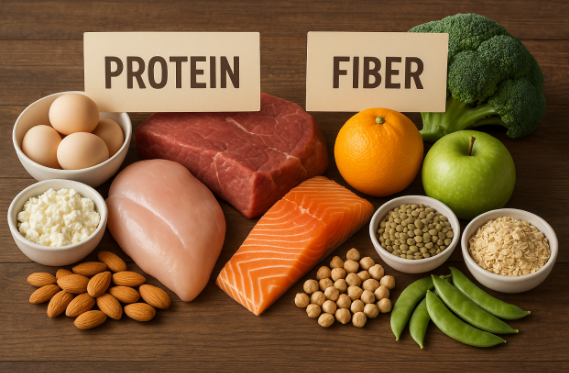
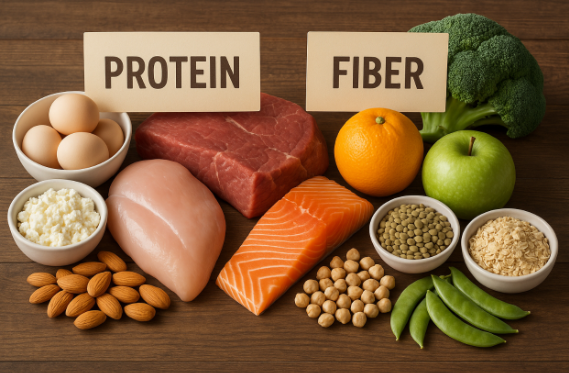
Fiber can be found in fruits, vegetables and whole grains while protein is commonly found in meat, nuts and beans. Small amounts of protein can also be found in vegetables like spinach, broccoli and bok choy. However, just because a food item contains high protein or fiber does not mean it is healthy. The most effective way to consume these two nutrients is through lean meats, plant proteins, and unrefined or minimally processed carbohydrates.
Losing weight and adapting a healthy diet is overall a personal journey. For some, too much fiber can lead to bloating due to the gas that gut bacteria release or not consuming enough water in a day. Also, as mentioned before, too much protein can increase the likelihood of osteoporosis. It is best to consult a primary care provider in creating a plan that best aligns with a patient’s goals and body.
References:
Artyshchuk, Olga. “Fiber and MyCHN Community Health Network, 30 Mar. 2022, mychn.org/fiber-and-protein/.
Carle Illinois College of Medicine Office of Marketing and Communications. “Weight-Loss Success Depends on Eating More Protein, Fiber While Limiting Calories, Study Finds.” Illinois, medicine.illinois.edu/news/weight-loss-success-depends-on-eating-more-protein-fiber-while-limiting-calories-study-finds. Accessed 28 May 2025.
Godman, Heidi. “Extra Protein Is a Decent Dietary Choice, but Don’t Overdo It.” Harvard Health, 1 May 2013, www.health.harvard.edu/blog/extra-protein-is-a-decent-dietary-choice-but-dont-overdo-it-201305016145.
Te Morenga, Lisa A, et al. “Comparison of High Protein and High Fiber Weight-Loss Diets in Women with Risk Factors for the Metabolic Nutrition Journal, U.S. National Library of Medicine, 28 Apr. 2011, pmc.ncbi.nlm.nih.gov/articles/PMC3105953/.
“With High Fiber Diets, More Protein May Mean More Bloating.” Johns Hopkins Bloomberg School of Public Health, publichealth.jhu.edu/2020/with-high-fiber-diets-more-protein-may-mean-more-bloating. Accessed 28 May 2025.