Iron Deficiency and Its Overlooked Symptons
Written by: Eshrat Quader and Samira Esha
The most prevalent dietary shortfall worldwide is iron insufficiency, which is particularly prevalent in women, adolescents, and menstruating individuals. According to the CDC, about half of the 10 million Americans with iron deficiency suffer from iron deficiency anemia. Nevertheless, because the symptoms can be mistaken for "normal stress," brain fog, or regular fatigue, most people are unaware that they are suffering from it.
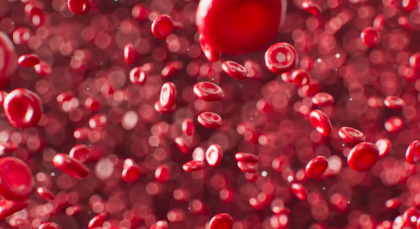
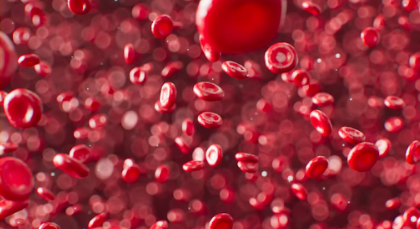
Because it aids in the production of hemoglobin, the oxygen-carrying protein found in red blood cells, iron is essential. Your body cannot make enough healthy red blood cells when you don't have enough iron, which means that your muscles, tissues, and brain receive less oxygen. Things start to feel strange at that point. Fatigue that doesn't go away with rest is one of the first and most typical symptoms. According to the Cleveland Clinic, other symptoms include headaches, dizziness, brittle nails, shortness of breath, pale complexion, and icy hands and feet. Additionally, some people have quicker heartbeats or thinner hair, particularly while exercising. Particularly among students or young adults, these are frequently dismissed or mistakenly ascribed to factors like stress or busyness.
But iron deficiency doesn’t just affect your body; it affects your brain, too. Harvard Health points out that iron is essential for brain development and cognitive function. When iron levels are low, you might experience difficulty concentrating, memory problems, or slower thinking. This can interfere with school, work, and everyday tasks, especially if you don’t know what’s causing it. And because symptoms like brain fog and tiredness overlap with anxiety or depression, it’s easy for iron deficiency to be misdiagnosed or completely overlooked. So who’s most at risk? According to the CDC and WHO, people who menstruate are especially vulnerable to iron loss every month. Pregnant people are also at risk because they need more iron to support their growing baby and blood volume. People with gastrointestinal issues like celiac disease or Crohn’s disease may have trouble absorbing iron, even if they eat enough. And vegans or vegetarians may not get enough because plant-based iron (non-heme iron) isn’t absorbed as easily as the kind from meat.
The good news? Iron deficiency is both preventable and treatable. Cleveland Clinic recommends eating more iron-rich foods like lean red meat, poultry, fish, lentils, beans, tofu, and spinach. Whole grains and iron-fortified cereals can also help. If you're plant-based, combining those foods with vitamin C (like oranges, strawberries, or tomatoes) can boost absorption. On the flip side, drinking coffee and tea, or taking calcium at the same time as iron-rich meals, can block absorption. For people with more severe deficiency, doctors may recommend iron supplements or even intravenous (IV) iron therapy. It’s also important to get tested, especially if you’re feeling symptoms and fall into one of the high-risk categories. A simple blood test that checks your hemoglobin and ferritin levels can confirm whether your body’s running low on iron. If you catch it early, treatment is typically easy and can make a huge difference in how you feel both physically and mentally.
Iron deficiency might seem like a minor issue, but it can quietly affect every part of your body, from your energy to your focus to your heart. If you’re constantly tired, struggling to think clearly, or just feel off, it’s worth paying attention. Your body might be trying to tell you something that a cup of coffee can’t fix.
References:
Cleveland Clinic. Iron‑Deficiency Treatment. Cleveland Clinic, 11 Dec. 2024, my.clevelandclinic.org/health/diseases/22824‑iron‑deficiency‑anemia.
Williams, A. M., N. Ansai, N. Ahluwalia, and D. T. Nguyen. Anemia Prevalence: United States, August 2021–August 2023. NCHS Data Brief, no. 519, National Center for Health Statistics, 2024. https://dx.doi.org/10.15620/cdc/168890.
World Health Organization. Micronutrients. Health Topics, World Health Organization, n.d. Web. 14 July 2025.