
America’s Morning Drink: How Coffee Became a Daily Necessity

Written by: Eshrat Quader and Sahannah Seemungal
For millions of Americans, the day does not truly begin until they take the first sip of coffee. From commuters clutching paper cups to students lining up at campus cafés, caffeine has become a defining feature of the American morning. Often framed as harmless, this ritual is deeply embedded in work culture, productivity expectations, and social norms. Yet while coffee is widely celebrated for its energizing effects, its normalization as a morning “requirement” deserves closer examination.
Coffee’s primary appeal lies in caffeine, a stimulant that blocks adenosine, the neurotransmitter responsible for promoting sleepiness. In the short term, this leads to increased alertness, improved concentration, and a perceived boost in productivity. For many, especially those juggling long work hours, early commutes, or academic demands, coffee feels less like a choice and more like a survival tool.
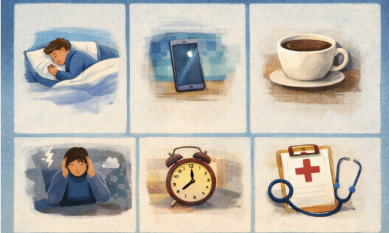
Sleep quality is also affected. Although many people consume coffee only in the morning, caffeine’s long half-life means it can remain in the body for hours, subtly impairing nighttime rest. This creates a self-perpetuating cycle: poor sleep leads to greater caffeine use, which in turn further disrupts sleep. What begins as a morning habit can quietly reshape the entire sleep-wake rhythm.
Beyond individual health, coffee culture reflects broader American values around productivity and performance. Being “tired but functional” is often treated as normal, even admirable. Statements like “don’t talk to me before my coffee” are joked about, yet they reveal how deeply fatigue has been normalized. Rather than questioning systems that demand early starts and constant output, caffeine is used to help people comply with them.
There are also disparities embedded in this habit. Low-wage workers, shift workers, and students often rely most heavily on caffeine due to irregular schedules and limited control over their time. For these groups, coffee is less about enjoyment and more about endurance. At the same time, the commercialization of coffee, premium drinks, energy blends, and oversized servings encourages higher consumption while obscuring potential health trade-offs.
This is not to argue that coffee is inherently harmful or should be eliminated. Moderate caffeine intake can be safe for many people and may even have certain health benefits. The issue lies in its role as a cultural substitute for rest, balance, and structural change. When coffee becomes essential to basic functioning, it signals a system that prioritizes output over well-being.
Reframing the morning drink means asking harder questions, such as why are so many people exhausted to begin with? Why is rest treated as optional, while stimulation is treated as essential? Addressing these questions requires shifts not only in individual habits but in workplace expectations, school schedules, and societal attitudes toward sleep.
America’s love affair with coffee is about more than taste or tradition. It reflects a culture that runs on fatigue and fuels itself with stimulants rather than sustainability. Recognizing this does not mean giving up the morning cup; it means understanding what it represents and considering whether the energy we seek from coffee is something our lives should be providing naturally.
References:
Chaput, Jean-Philippe, et al. Sleep Duration and Health in Adults: An Overview of Systematic Reviews. Applied Physiology, Nutrition, and Metabolism, vol. 45, no. 10 (Suppl. 2), Oct. 2020, pp. S218–S231. PubMed, https://pubmed.ncbi.nlm.nih.gov/33054337/
Juliano, Laura M., et al. “A Critical Review of Caffeine Withdrawal: Empirical Validation of Symptoms and Signs, Incidence, Severity, and Associated Features.” Psychopharmacology (Berlin), vol. 176, no. 1, Oct. 2004, pp. 1–29. PubMed, https://pubmed.ncbi.nlm.nih.gov/15448977/
“3 Simple Ways to More Restful Sleep.” Harvard Health Publishing, Harvard Medical School, https://www.health.harvard.edu/staying-healthy/3-ways-to-get-more-restful-sleep
.