
Hair Transplants: What Are They, and Why Get Them?
Written By: Rhea Mittal, Laila Ibrahim, and Xavier Oyola
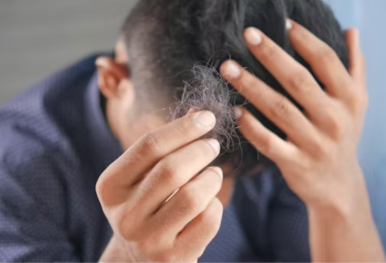
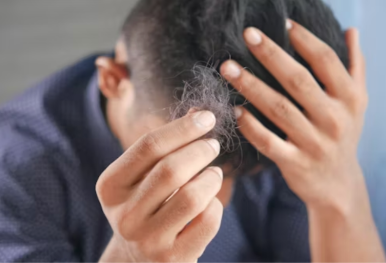
For many people, hair loss is a gradual change that becomes noticeable only when they see a photo or a reflection from a new angle. That moment was the catalyst for one anonymous interviewee who chose to undergo a hair transplant. After noticing a thinning spot in the back of his head, he decided to address it early, aiming to preserve his hair while keeping a natural appearance. Rather than pursuing a major procedure, he opted for a targeted solution focused on a single area.
There are a variety of causes that cause hair loss in men. Not all hair loss in men is caused by genetics, the thing we all blame when faced with an internal issue that we can't seem to find the solution to. The most common causes for hair loss in men include androgenetic alopecia (also known as "male pattern baldness", or MPB), low testosterone levels, unmanaged stress levels, and nutrition deficiencies. Androgenetic alopecia (MPB) is usually a result of a genetic condition that causes "sensitivity to dehydrotestosterone (DHT)"; similarly, low testosterone levels can also lead to an "imbalance in DHT". Stress is another thing that can lead to hormonal imbalances, which may thin out hair. If an individual is not receiving the proper amount of vitamins and nutrients, that can also contribute to hair thinning (Revibe Men's Health).
Two standard techniques for hair transplantation are Follicular Unit Transplantation (FUT) and Follicular Unit Extraction (FUE). In FUE, individual hair follicles are removed directly from the donor area using a tiny punch device, which minimizes visible scarring because it doesn't involve removing a strip of scalp. It is generally less invasive and allows many patients to return to normal activities relatively quickly. In contrast, FUT, also known as the strip method, involves surgically removing a thin horizontal strip of scalp from the back of the head. The strip is then dissected into individual follicular units, which can be transplanted into the thinning area. This method can yield a large number of grafts in a single session, but typically results in a linear scar where the strip was removed.
It's important to note that one technique is not considered better than the other. Each of them suits different needs for different patients.
The process began with research and multiple consultations. During the summer, he met with two highly recommended doctors, each proposing a different approach: FUT and FUE. The contrasting opinions highlight the significant variation within the field, ultimately reinforcing his belief that patients should seek two or three consultations before committing. He chose the FUE method because it allowed for precise treatment of one specific area rather than broader intervention. The procedure itself was scheduled seamlessly toward the end of summer.
Before surgery, he assumed the process would be far more invasive and disruptive than it turned out to be. In reality, the procedure was painless, and recovery was relatively smooth. However, he noted that while physical recovery is quick, patients should plan for 5 to 7 days away from work if they prefer to keep the procedure discreet, as visible changes may persist. Despite the quick recovery, results still required patience. While he expected faster growth, visible improvements began around four months post-procedure, with significant changes appearing only in the last few weeks. With documented progress through photos, he now feels confident in his decision, knowing peak results typically occur between nine and twelve months.
His advice to others is simple: do thorough research, seek multiple opinions, understand your personal goals, and remember that a hair transplant is optional. A hair transplant can be a life-changing procedure; making an informed decision, he says, makes all the difference.
References:
“Follicular Unit Extraction.” Wikipedia, Wikimedia Foundation,https://en.wikipedia.org/wiki/Follicular_unit_extraction. Accessed 12 Jan. 2026.
“FUE Hair Transplant Procedure.” Hair Loss Learning Center,
https://hairlosslearningcenter.org/hair-loss-treatments/FUE-procedure. Accessed 12 Jan. 2026.
“Follicular Unit Transplantation.” Wikipedia, Wikimedia Foundation,
https://en.wikipedia.org/wiki/Follicular_unit_transplantation. Accessed 12 Jan. 2026.
Health, Eureka. “Eureka Health.” Eureka Health, 5 July 2025, www.eurekahealth.com/resources/fue-vs-fut-hair-transplant-which-is-better-en.
dev, Cardinal. “Hair Loss in Men and What Causes It.” Revibe Men’s Health by UMC, 6 Mar. 2025, revibemenshealth.com/blog-and-news/hair-loss-in-men-and-what-causes-it/.