
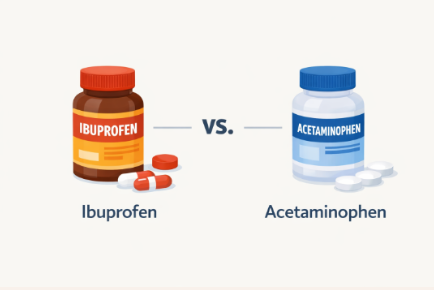
Ibuprofen vs. Acetaminophen: What’s the Difference?
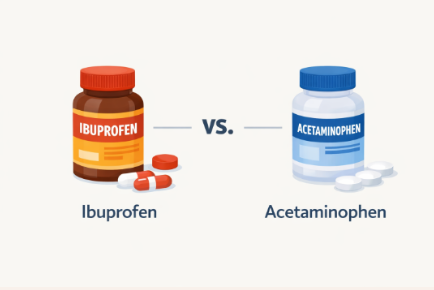
Written By: Xavier Oyola and Rhea Mittal
Ibuprofen and acetaminophen, commonly known by their brand names Advil and Tylenol, respectively, are among the most widely used over-the-counter pain medications nationwide. If you are experiencing a headache, hangover, cramps, muscle pain, or a fever, you usually reach for one of these medications. However, even though they ease pain and discomfort from those symptoms, they work differently in the body and carry distinct benefits and risks. It is essential to understand those differences to make safer, more informed decisions before using them.
How do they work?
Acetaminophen (often known by brand names like Tylenol) is classified as an analgesic (pain reliever) and antipyretic (fever reducer). Acetaminophen works primarily in the brain to block pain signals, reducing pain and lowering fever, but it has little effect on inflammation in tissues elsewhere in the body.
Ibuprofen (found in Advil, Motrin, and other brands) belongs to a class of drugs called nonsteroidal anti-inflammatory drugs (NSAIDs). Like acetaminophen, ibuprofen reduces pain and fever, but what makes it special is that it targets inflammation. This targeting makes it especially helpful for conditions where swelling is a factor, such as sprains, menstrual cramps, or arthritis.
Benefits and Appropriate Uses
Both medications are effective for everyday aches and pains, but they may be better suited to different symptoms:
Acetaminophen is a good choice for general pain and fever, and it tends to be easier on the stomach than many NSAIDs (ibuprofen-based meds).
Ibuprofen not only relieves pain and reduces fever but also reduces inflammation, making it more effective for injuries, muscle soreness, and joint pain.
Medical research suggests that ibuprofen may sometimes be more effective than acetaminophen at reducing pain and fever in both children and adults. Still, both drugs are generally safe when used as directed.
Safety and Side Effects
Although both drugs are widely available without a prescription, they are not without risks.
For acetaminophen, the primary concern is liver damage, especially if doses exceed the recommended maximum (typically no more than 3,000 to 4,000 mg per day for adults). Because acetaminophen is in many combination products (like cold medicines), it’s important to check labels to avoid unintentional overdose.
Additionally, NSAIDs like Ibuprofen can irritate the stomach lining and, with high doses or long-term use, increase the risk of ulcers, bleeding, kidney stress, and cardiovascular issues such as high blood pressure, heart attack, or stroke. People with certain health conditions (like heart disease or ulcers) should consult a clinician before use.
You may be wondering, “So which is better?” However, there is no single “best” choice for everyone; the right pain reliever depends on the person’s symptoms, medical history, and other medications they may be taking. For example, someone with gastrointestinal sensitivity might choose acetaminophen, while someone with inflammation-linked pain may benefit more from ibuprofen. Your health care provider can offer advice tailored to your situation.
With all this being said, ibuprofen and acetaminophen both have essential roles in managing everyday pain and fever. Since it is used so frequently, it is vital to understand how both medications work and the potential risks involved, so everyone can make safer choices and use these medicines effectively. Always follow dosing instructions, read labels carefully, and talk with a health professional if you have questions about which option is right for you.
References:
Illinois, U. of. (2018a, August 29). Ibuprofen vs. acetaminophen: What’s the difference? Healthline. https://www.healthline.com/health/pain-relief/ibuprofen-vs-acetaminophen
Maynard, R. (n.d.). Acetaminophen vs. Ibuprofen: How do they stack up?. WebMD. https://www.webmd.com/drugs/acetaminophen-vs-ibuprofen
Acetaminophen vs. Ibuprofen: What to take when. UnityPoint Health. (n.d.). https://www.unitypoint.org/news-and-articles/acetaminophen-vs-ibuprofen-what-to-take-when
Acetaminophen vs Ibuprofen comparison. Drugs.com. (n.d.-a). https://www.drugs.com/compare/acetaminophen-vs-ibuprofen
LeWine, H. E. (2023, May 22). 7 ways to cure your hangover. Harvard Health. https://www.health.harvard.edu/staying-healthy/7-ways-to-cure-your-hangover