Winter as a Clinical Variable: February Weather, Patient Understanding, and Preventable Risk
Written by: Eshrat Quader and Laila Ibrahim
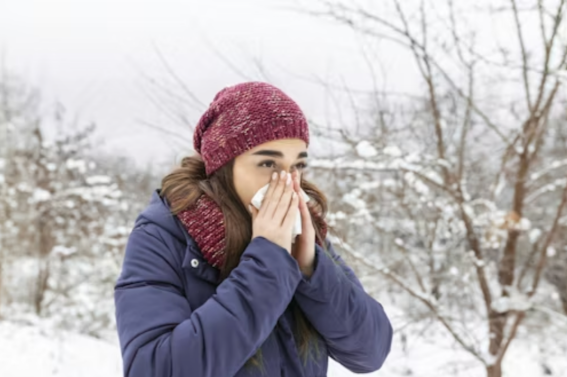
By mid-February, winter is no longer a novelty. Cold temperatures, intermittent storms, and shortened daylight hours have settled into our lives, quietly shaping health outcomes across populations. While winter weather is often framed as an environmental inconvenience, its clinical significance is substantial. In February, seasonal conditions intersect with chronic disease management, healthcare access, and patient comprehension in ways that can meaningfully influence morbidity and mortality.
Extreme and consistent exposure to cold weather is associated with increased cardiovascular strain due to vasoconstriction and elevated blood pressure, contributing to higher rates of myocardial infarction and stroke during winter months. Respiratory illnesses peak as individuals spend more time indoors, facilitating viral transmission, while cold air exacerbates conditions such as asthma and chronic obstructive pulmonary disease. The Centers for Disease Control and Prevention has consistently documented increased winter hospitalizations related to cardiovascular and respiratory conditions, particularly among older adults and those with preexisting disease (CDC, 2023).
However, physiology alone does not explain these seasonal trends. Patient understanding, or lack thereof, plays a critical role. February weather frequently disrupts routines that support disease management: pharmacy access may be delayed during storms, follow-up appointments are missed due to transportation barriers, and patients may ration medications or postpone care rather than seek assistance. Without clear guidance, these disruptions can escalate into preventable emergencies.
Health illiteracy becomes especially consequential during the winter months. Patients are often advised to “avoid cold exposure,” “monitor symptoms,” or “seek care if symptoms worsen,” yet these recommendations are rarely operationalized.
What constitutes dangerous cold exposure for a patient with heart failure? When does shortness of breath warrant urgent evaluation versus home management? How should insulin storage or inhaler use be adjusted during freezing temperatures? When answers are unclear, patients are left to make high-stakes decisions without adequate information.
Winter weather also amplifies inequities. Individuals living in inadequately heated housing, those experiencing energy insecurity, and patients reliant on public transportation face compounded risks. The World Health Organization emphasizes that cold-related health outcomes disproportionately affect socially vulnerable populations, not solely due to biological susceptibility, but also because of limited access to resources and information (WHO, 2021). In this context, communication gaps become structural vulnerabilities.
Clinical encounters in February provide critical opportunities for anticipatory guidance, yet weather-related counseling is often overlooked. Discussions of vaccination, medication adherence, and symptom monitoring may not account for environmental constraints patients face outside the clinic. A patient discharged with instructions to walk daily may not be able to comply in icy conditions safely. Another advised to attend routine lab monitoring may lack a clear plan if transportation becomes unreliable during storms.
Evidence suggests that targeted communication strategies can mitigate these risks. A systematic review published in Health Affairs demonstrated that patients with stronger health literacy skills experience fewer hospitalizations and better chronic disease control, particularly when providers use clear, patient-centered communication techniques (Berkman et al., 2011). Tools such as teach-back, written instructions tailored to seasonal conditions, and explicit contingency planning help translate medical advice into actionable steps.
Interdisciplinary support is equally essential during the winter months. Patient navigators, social workers, and community health workers help ensure continuity of care when weather disrupts access to care. These professionals assist patients in securing medication refills in advance of storms, identifying warming centers, and adjusting care plans to align with real-world constraints. Their role is particularly vital in emergency departments, where winter surges often reflect delayed outpatient care rather than acute pathology alone.
As February progresses, healthcare systems must recognize winter not merely as a background condition, but as a clinical variable that influences patient behavior and outcomes. Seasonal weather shapes how patients interpret symptoms, prioritize care, and follow treatment plans. When this context is ignored, even well-designed care plans can fail.
Ultimately, effective winter care extends far beyond diagnosis and prescription. It requires ensuring that patients understand how to navigate their health amid cold temperatures, limited daylight, and unpredictable conditions. In February, when winter fatigue sets in and vigilance wanes, clear communication is not ancillary. It is preventative medicine.
References:
CDC. “Winter Weather: Before, During, and After.” Winter Weather, 2024, www.cdc.gov/winter-weather/about/index.html.
World Health Organization. “Climate Change.” World Health Organization, 12 Oct. 2023, www.who.int/news-room/fact-sheets/detail/climate-change-and-health.
Berkman, N, et al. “Low Health Literacy and Health Outcomes: An Updated Systematic Review.” Annals of Internal Medicine, 19 July 2011, pubmed.ncbi.nlm.nih.gov/21768583/.