Part 1: The Science Behind the MV Hondius Hantavirus Outbreak
Written By: Xavier Oyola and Sahannah Seemungal
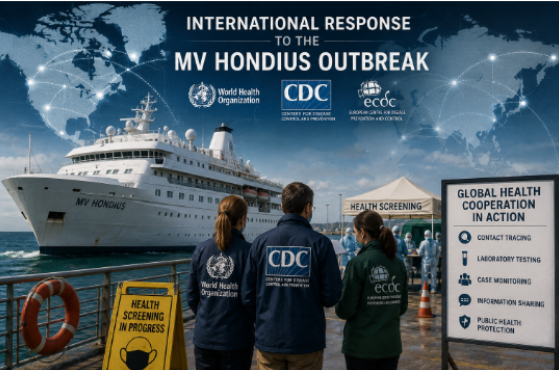
In April and May this year, the MV Hondius became the center of an extraordinary public health event: a confirmed outbreak of Andes hantavirus, a rare and serious infection never before documented spreading aboard a ship.
The good news? Experts are clear: this is not the next pandemic.
On April 1, 2026, the MV Hondius departed Ushuaia, Argentina, carrying 86 passengers and 61 crew from 23 countries. By early May, passengers were falling seriously ill. The World Health Organization (WHO) was notified on May 2 of a cluster of severe respiratory illnesses aboard. Laboratory testing confirmed Andes virus, a type of hantavirus.
As of mid-May, there are nine confirmed cases and two suspected cases associated with the outbreak, including three deaths. The Centers for Disease Control and Prevention (CDC) has classified the incident as a Level 3 emergency, and passengers have been evacuated to high-containment medical facilities across Europe and North America.
Investigators believe that the first patient — a Dutch traveler — contracted the virus before boarding, during a four-month road trip through Argentina, Chile, and Uruguay. From there, evidence suggests it spread from person to person in the ship's close quarters.
What Is Hantavirus?
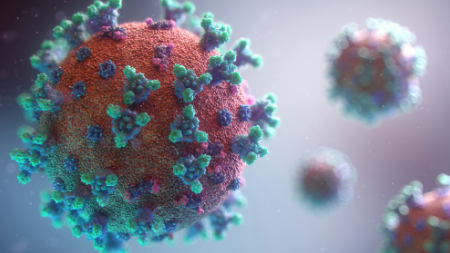
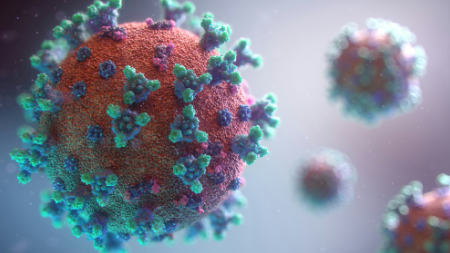
Hantaviruses are a family of over fifty viruses that naturally live in rodents, which carry them silently and shed the virus through urine, feces, and saliva. Humans are typically infected by breathing in aerosolized particles from these excretions, often without ever knowing they were near an infected animal.
In the Americas, infection causes Hantavirus Pulmonary Syndrome (HPS), a severe respiratory illness that begins with symptoms such as fever, muscle aches, and fatigue, nausea, and headaches before rapidly progressing to breathing difficulties and lung failure. There is no antiviral treatment for HPS, and supportive medical care remains the primary form of treatment. The Andes virus strain carries a mortality rate of approximately 40%, although infections remain rare.
At the cellular level, research published in mBio (PubMed) explains that the virus infects the endothelial cells lining blood vessels in the lungs, triggering increased vascular permeability and fluid leakage into lung tissue. This mechanism contributes to the severe respiratory complications seen in advanced HPS cases.
What Makes Andes Virus Unique
Of all known hantaviruses, Andes virus is the only one confirmed to spread person to person. This is a trait that makes this outbreak unique. Even so, public health experts emphasize that transmission requires prolonged close contact and is significantly less contagious than illnesses such as COVID-19 or influenza.
Virginia Tech disease ecologist Dr. Luis Escobar notes that American hantavirus strains show "greater ecological plasticity" than their European and Asian counterparts which means the virus moves more fluidly between species, which is why this strain has gained greater attention.
Should You Be Worried?
No. The European Centre for Disease Prevention and Control (ECDC) continues to state that the outbreak poses a very low risk to the general public. The rodent species that naturally carry Andes virus are native to South America and are not found in Europe or North America, limiting the likelihood of widespread transmission outside the region. Also, previous person-to-person clusters have remained small and contained. Although the news about the Hantavirus may seem scary, there is no cause for concern.
References:
Centers for Disease Control and Prevention. (2026, May). 2026 multi-country hantavirus cluster linked to cruise ship. Health Alert Network Advisory HAN-00528. https://www.cdc.gov/han/php/notices/han00528.html
European Centre for Disease Prevention and Control. (2026, May 14). Andes hantavirus outbreak in cruise ship. https://www.ecdc.europa.eu/en/infectious-disease-topics/hantavirus-infection/surveillance-and-updates/andes-hantavirus-outbreak
Gorbunova, E. E., Simons, M. J., Gavrilovskaya, I. N., & Mackow, E. R. (2016). The Andes virus nucleocapsid protein directs basal endothelial cell permeability by activating RhoA. mBio, 7(5), e01747-16. https://doi.org/10.1128/mBio.01747-16