
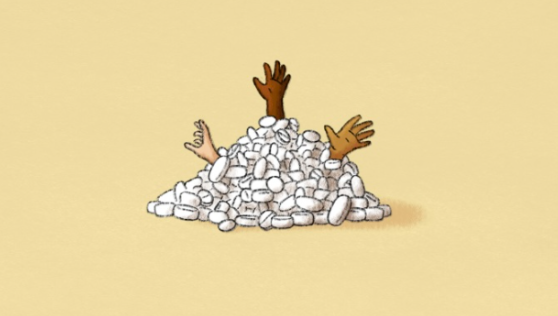
The Growing Crisis of Opioid Addiction
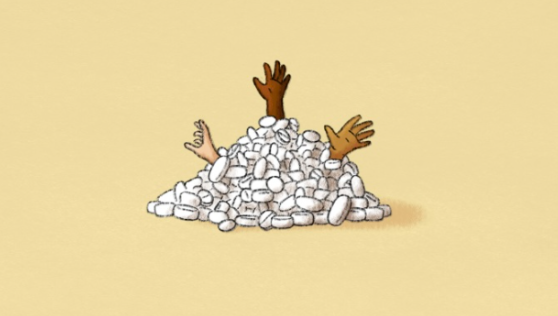
Written By: Rhea Mittal and Eshrat Quader
Opioid addiction has become one of the most serious public health crises in modern society. Affecting millions of people worldwide, opioid misuse has devastated families, strained healthcare systems and contributed to rising overdose deaths. Although opioids can play an important role in pain management, their highly addictive nature has led to widespread misuse and dependence. Understanding the causes, effects, and possible solutions to opioid addiction is essential in addressing this ongoing epidemic.
Opioids are a class of drugs that include prescription pain relievers such as oxycodone, hydrocodone, morphine, and illegal substances like heroin and fentanyl. These drugs work by binding to receptors in the brain, reducing the perception of pain while producing feelings of relaxation and euphoria. While effective for short term pain relief, prolonged use can lead to tolerance, meaning users require higher doses to achieve the same effect. Over time, this can develop into physical dependence and addiction.
One of the major contributors to the opioid epidemic has been the overprescription of pain medications. During the late 1990s and early 2000s, pharmaceutical companies aggressively marketed opioid medications as safe and non-addictive. As a result, doctors prescribed these drugs at unprecedented rates. Many patients who initially used opioids for legitimate medical reasons became dependent on them. When prescriptions became unavailable or too expensive, some individuals turned to cheaper and more accessible alternatives such as heroin or fentanyl.
The consequences of opioid addiction are severe and far reaching. Individuals struggling with addiction often experience declining physical and mental health, financial instability, unemployment, and damaged relationships. Communities also bear the burden through increased healthcare costs, crime rates, and overwhelmed treatment centers. Perhaps the most tragic outcome is the alarming rise in overdose deaths, particularly due to fentanyl, a synthetic opioid that is significantly more potent than heroin.
Despite the seriousness of the crisis, recovery from opioid addiction is possible. Effective treatment often involves a combination of medication-associated treatment (MAT), counseling, and community support. Medications such as methadone and buprenorphine can help reduce withdrawal symptoms and cravings allowing individuals to focus on rebuilding their lives. Therapy and support groups also play a role by addressing the emotional and psychological factors behind addiction.
Prevention is just as important in combating opioid misuse. Healthcare providers must prescribe pain medications responsibly and educate patients about the risks associated with opioid use. Public awareness campaigns can help reduce stigma and encourage individuals to seek treatment without fear or judgement. Additionally governments and communities should invest in mental health services, addiction treatment programs and overdose prevention measures such as naloxone distribution.
Opioid addiction is a complex issue that cannot be solved overnight. However, through education, responsible healthcare practices, compassionate treatment, and community support, society can make meaningful progress in reducing the impact of this epidemic. Addressing opioid addiction requires collective effort, empathy, and a commitment to helping those affected regain control of their lives.
References:
Volkow, Nora D., and A. Thomas McLellan. “The Changing Opioid Crisis: Development, Challenges and Opportunities.” Molecular Psychiatry, vol. 26, no. 1, 2021, pp. 218–233. PubMed Central, https://pmc.ncbi.nlm.nih.gov/articles/PMC7398847/. Accessed 31 May 2026.
Centers for Disease Control and Prevention. “Understanding the Opioid Overdose Epidemic.” CDC, 9 June 2025, https://www.cdc.gov/overdose-prevention/about/understanding-the-opioid-overdose-epidemic.html. Accessed 31 May 2026.
Fromson, John A. “The Opioid Crisis: Impact, Challenges, and Paths to Recovery.” American Psychiatric Association, 28 Aug. 2023, https://www.psychiatry.org/news-room/apa-blogs/opioid-crisis-impact-challenges-recovery. Accessed 31 May 2026.