Beat The Heat: How New Yorkers Can Stay Safe During Heatwaves
Written By: Xavier Oyola and Ihsaan Alam
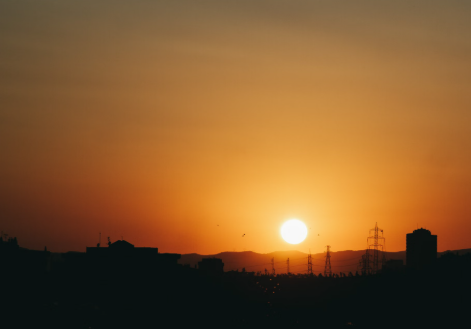
Every summer, heat quietly becomes one of New York City's most dangerous public health threats, more deadly than hurricanes, floods, or snowstorms. And with summers getting hotter, knowing how to protect yourself isn't just helpful. It could save your life. In the most recent five-year reporting period, an estimated 525 New Yorkers died annually due to heat, accounting for roughly 3% of all deaths during the warm season months of May through September. Most of these deaths are preventable.
New York City faces the urban heat island effect. Concrete, asphalt, and dense buildings trap heat far more than green spaces do, pushing temperatures in some neighborhoods well above those in others. The danger largely plays out indoors. Most heat-related deaths in NYC happen inside un-air-conditioned homes, not outside. And it doesn't hit everyone equally. Black New Yorkers die from heat stress at twice the rate of white New Yorkers, a disparity tied to structural inequities in housing, healthcare, and energy access. Older adults, young children, and people with conditions like heart disease or diabetes face significantly higher risk as well.
When the body can't cool itself down fast enough, things escalate quickly. First comes heat exhaustion: dizziness, nausea, heavy sweating, and muscle cramps. Left untreated, it can progress to heat stroke, which is a medical emergency. Signs that someone needs immediate help include hot or cold clammy skin, confusion, loss of consciousness, trouble breathing, or a rapid pulse. If you see any of these, call 911 right away.
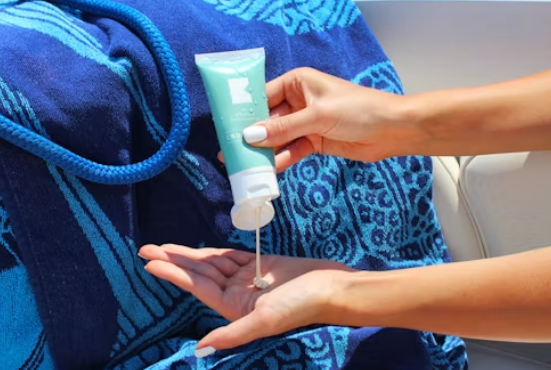
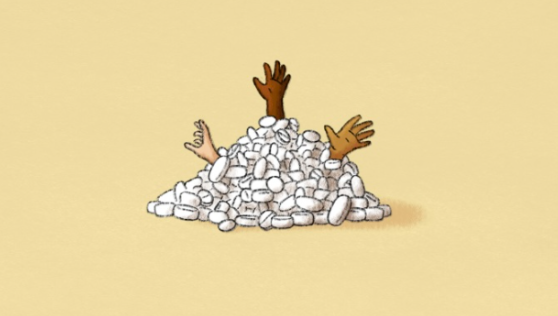
The good news is that heat illness is entirely preventable. During a heat wave, a fan alone won't cut it. You need an air-conditioned space. During heat emergencies, the City opens cooling centers throughout the five boroughs. Visit the Cooling Center Finder or call 311 to find one near you. Stay hydrated, don't wait until you're thirsty to drink water, and steer clear of alcohol and sugary drinks, since they speed up dehydration faster than most people realize. Try to avoid being outside during the hottest part of the day, wear light, loose clothing, and find shade whenever possible. It's also worth checking with your pharmacist about any medications you take, since certain blood pressure drugs, antihistamines, and psychiatric medications can interfere with your body's ability to sweat and cool down. And look out for the people around you. Elderly neighbors living alone are among the most at-risk, and a quick check-in call during a heat wave can genuinely save someone's life.
References:
New York City Department of Health and Mental Hygiene. (2025). 2025 NYC Heat-Related Mortality Report. NYC Environment & Health Data Portal. https://a816-dohbesp.nyc.gov/IndicatorPublic/data-features/heat-report/
New York City Emergency Management. (2025, July 24). City officials urge New Yorkers to stay safe during extreme heat. https://www.nyc.gov/site/em/about/press-releases/20250724_pr_nycem_city-officials-urge-new-yorkers-extreme-heat.page
New York City Emergency Management. (n.d.). Plan for hazards: Extreme heat. https://www.nyc.gov/site/em/ready/extreme-heat.page