The Oil Glands We Ignore: A Hidden Cause of Dry, Burning Eyes
Written By: Ihsaan Alam and Xavier Oyola
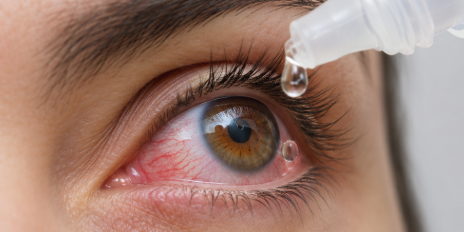
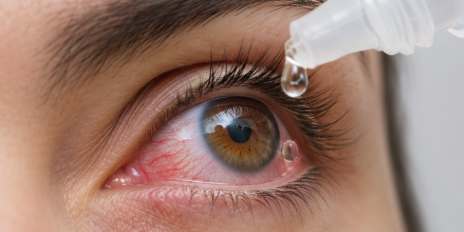
Dry eyes are often dismissed as a minor irritation, something caused by long hours on a screen, dry weather, or lack of sleep. Yet for many people, the problem begins in a place they rarely think about: the eyelids. Along the edges of the eyelids are tiny oil-producing structures called meibomian glands. When these glands do not function properly, the result can be a chronic, uncomfortable condition known as meibomian gland dysfunction.
A thin layer of tears protects the eye. These tears are not simply water. They contain several layers, including an oily layer that helps prevent tears from evaporating too quickly. Meibomian glands produce this oil. When the glands become blocked, inflamed, or unable to release healthy oil, the tear film becomes unstable. The eyes may then feel dry, gritty, tired, watery, or sensitive to light. Vision may even blur, especially during reading or computer use. The National Eye Institute explains that dry eye can happen when tears evaporate too quickly or do not work properly, which is often related to poor tear quality rather than simply too few tears.
This is what makes meibomian gland dysfunction so easily misunderstood. A person may say, “My eyes are watering, so how can they be dry?” The answer is that watery eyes can be a reflex response to irritation. The eye may produce extra watery tears, but without enough healthy oil, those tears evaporate too fast to provide lasting comfort.
Meibomian gland dysfunction is especially important because it is considered a leading cause of evaporative dry eye disease. A 2023 review described it as a major cause of dry eye related to reduced or altered oil secretion from these glands. StatPearls, through the National Library of Medicine, also notes that meibomian glands line the eyelid margins and secrete oils that reduce tear evaporation. When these glands are obstructed or damaged, the tear film loses stability.
Modern habits may make the condition more noticeable. During screen use, people often blink less frequently and less completely. This matters because blinking helps express oil from the meibomian glands onto the surface of the eye. Without regular, full blinking, the oil may thicken and stagnate. Contact lens use, eyelid inflammation, certain medications, aging, hormonal changes, low-humidity environments, and some skin conditions may also contribute.
The condition deserves attention because it can affect daily life in quiet but significant ways. Reading becomes tiring. Driving at night may feel uncomfortable. Computer work can become difficult. Some patients describe a constant sensation of sand in the eyes. Others feel burned by the end of the day. Although these symptoms may seem small compared with life-threatening diseases, chronic eye discomfort can reduce concentration, productivity, sleep quality, and overall well-being.
Treatment depends on severity, but early care often begins with simple measures. Warm compresses may help soften thickened oil. Gentle eyelid hygiene can reduce debris and inflammation along the lid margin. Preservative-free artificial tears may provide relief. More persistent cases may require prescription eye drops, in-office gland treatments, or evaluation for underlying eyelid disease. Importantly, people should not assume that all dry eye treatments are the same. A person with poor oil secretion may need a different approach than someone who produces too few tears.
The public message is clear: dry eye is not always just dryness. It may be a sign that the eyelids are failing to protect the tear film. Anyone with persistent burning, grittiness, redness, fluctuating vision, or eye discomfort should seek an eye examination rather than relying endlessly on over-the-counter drops.
The smallest glands can have a large effect on comfort and vision. Meibomian gland dysfunction reminds us that health often depends on structures we never notice until they stop working well.
References:
David, T. (Ed.). (2025, November 27). What is Dry Eye? symptoms, causes and treatment. American Academy of Ophthalmology. https://www.aao.org/eye-health/diseases/what-is-dry-eye
Kaur, K. (2024, March 3). Meibomian gland disease. StatPearls [Internet]. https://www.ncbi.nlm.nih.gov/books/NBK580474/
U.S. Department of Health and Human Services. (2025, August 6). Dry Eye. National Eye Institute. https://www.nei.nih.gov/eye-health-information/eye-conditions-and-diseases/dry-eye