Can’t stop sneezing? Insight Into Your Allergies
Written by: Mariam Shahzad and Ihsaan Alam
Summer is finally here, bringing beach trips, road trips, late-night ice cream runs, and sunny weather. Unfortunately, it also brings something far less exciting: pollen. For millions of people, summer allergies can turn what should be the best season of the year into weeks of sneezing, congestion, and constantly reaching for tissues.
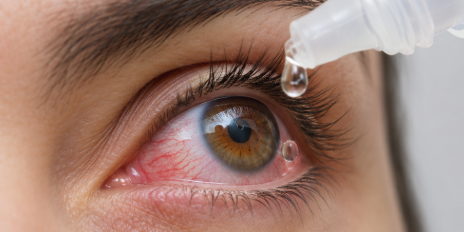
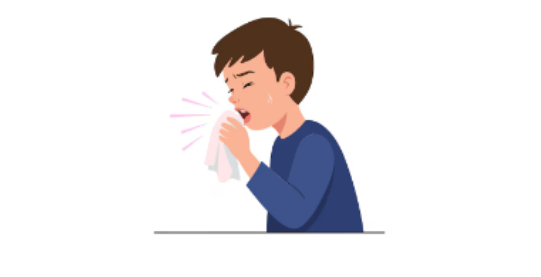
Pollen is a fine powder released by plants, trees, weeds, and grasses as part of their reproductive cycle. During the summer months, grass pollen becomes one of the most common allergy triggers. When pollen levels rise, the immune system can mistake these harmless particles for dangerous invaders and respond by releasing histamine, a chemical that causes allergy symptoms. Suddenly, a simple walk outside can lead to itchy eyes, nonstop sneezing, coughing, and a stuffy nose (“Pollen and Your Health”).
One reason summer allergies can be frustrating is because they often feel similar to a cold. Both can cause congestion and coughing, but allergies usually come with itchy eyes, repetitive sneezing, and symptoms that linger for weeks instead of days. Unlike colds, allergies are not caused by viruses, meaning antibiotics will not help treat them (“Hay Fever”).
Warm, windy days also make the pollen season worse. Wind can carry pollen through the air for miles, making it easy to inhale even if you are nowhere near freshly cut grass or blooming plants. This is why many people notice their symptoms getting worse after outdoor activities, especially in the morning when pollen counts tend to be highest (“Pollen and Your Health”).
Thankfully, there are ways to survive pollen season without spending the entire summer indoors. Experts recommend checking daily pollen forecasts, showering after spending time outside, and keeping windows closed on high-pollen days. Washing clothes and bedsheets regularly can also help remove pollen particles that cling to fabric. For people with more severe symptoms, antihistamines or nasal sprays may provide relief (“Hay Fever”).
Even though summer allergies are common, they should not stop people from enjoying the season. Whether it is spending time at the park, going to the beach, or just relaxing outside with friends, understanding how pollen affects the body can make allergy season much easier to manage.
References:
“Hay Fever (Allergic Rhinitis).” Mayo Clinic, Mayo Foundation for Medical Education and Research, 11 Apr. 2024, Mayo Clinic Hay Fever Overview.
“Pollen and Your Health.” Centers for Disease Control and Prevention, U.S. Department of Health and Human Services, 24 Apr. 2024, CDC Pollen and Your Health.