The Organ Transplant Shortage
Written By: Rhea Mittal and Sahannah Seemungal
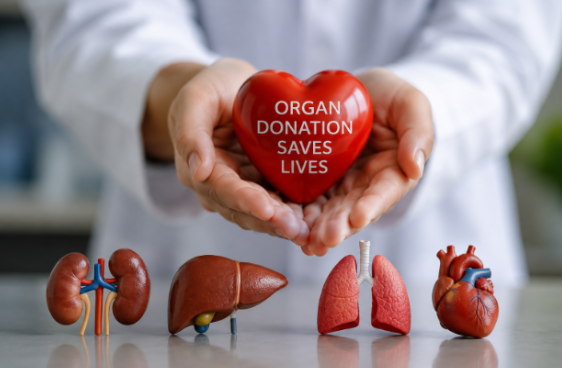
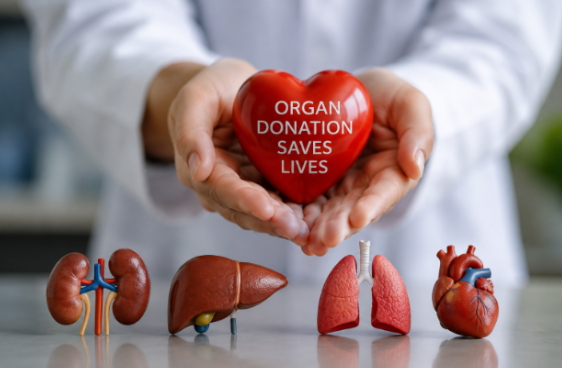
Organ transplantation is one of the greatest achievements in modern medicine, offering patients with end-stage organ failure a second chance at life. Advances in surgical techniques, immunosuppressive medications, and postoperative care have improved transplant success rates over the past several decades. Despite these medical breakthroughs, one major obstacle remains: the shortage of donor organs. Thousands of patients continue to wait for life-saving transplants each year, making the organ shortage one of the most significant challenges facing healthcare today.
The demand for donor organs has steadily increased as chronic diseases such as diabetes, hypertension, and liver disease become more common. Improvements in healthcare have also allowed more patients to survive long enough to become eligible for transplantation. Unfortunately, the number of available organ donors has not kept pace with the growing need. As a result, many patients spend months or even years on transplant waiting lists, and some die before a sustainable organ becomes available.
Several factors contribute to the shortage. While many people support organ donation, fewer individuals are registered donors than needed to meet demand. In some cases, families decline organ donation after the death of a loved one, even if the individual had previously expressed interest in becoming a donor. Additionally, not every donated organ is suitable for transplantation due to medical conditions, injury, or concerns about organ quality. These limitations further reduce the number of organs that can be successfully transplanted.
The consequences of the shortage extend beyond individual patients. Longer waiting times often lead to worse health outcomes, increased hospitalizations, and higher healthcare costs. Patients with kidney failure may require years of dialysis while awaiting a transplant, while those with heart or liver failure often experience declining quality of life as they wait. The emotional toll on patients and their families is equally significant, as uncertainty and prolonged illness can affect mental health and overall well-being.
Researchers and physicians are actively developing innovative solutions to address the shortage. Advances in organ preservation technology now allow donated organs to remain viable for longer periods, increasing the likelihood of successful transplantation. Scientists are also exploring xenotransplantation, the transplantation of genetically modified animal organs into humans. Although still in the early stages of clinical development, recent experimental procedures have demonstrated the potential for this approach to expand the donor pool in the future. In addition, researchers continue to investigate regenerative medicine and bioengineered organs created from stem cells, which may one day reduce dependence on human donors.
Public awareness also plays an essential role in addressing the organ shortage. Educating communities about the importance of organ donation can encourage more individuals to register as donors and discuss their wishes with family members. Increased participation in donor registries combined with continued medical innovation has the potential to save thousands of lives each year. The organ transplant shortage highlights the gap between what modern medicine can achieve and the limited resources available to patients in need. While scientific advancements continue to improve transplantation, expanding organ donation remains essential to ensuring that more patients receive the life-saving treatment they need. Addressing this challenge will require collaboration among healthcare professionals, researchers, and the public.
References:
“More Organ Donations Now Come from People Who Die after Their Heart Stops Beating.” NYU Langone Health, 17 Sept. 2024, https://nyulangone.org/news/more-organ-donations-now-come-people-who-die-after-their-heart-stops-beating.
“Organ Donation Statistics.” OrganDonor.gov, U.S. Department of Health and Human Services, https://www.organdonor.gov/learn/organ-donation-statistics.
Singh, Jasmohan S., et al. “Zombies and Organ Donation: What the Undead Can Teach Us about Consent.” Progress in Transplantation, vol. 24, no. 3, 2014, pp. 223–28, https://pmc.ncbi.nlm.nih.gov/articles/PMC4149736/.