
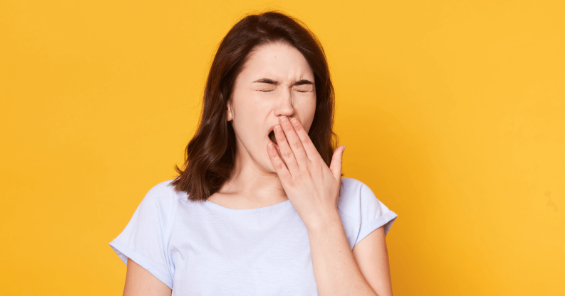
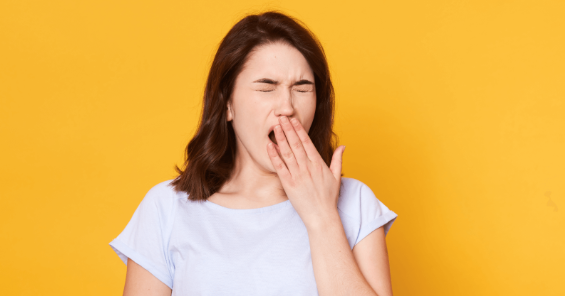
Why Do We Yawn?
Written By: Eshrat Quader and Rhea Mittal
Everyone yawns.
Whether you're sitting through a long lecture, watching a movie late at night, or even reading about yawning right now, chances are you've experienced it countless times. Despite how common yawning is, scientists still don't fully understand why we do it.
Many people believe yawning occurs because we're sleepy or bored. While yawning is more common when we're tired, research suggests the explanation is much more complex. One early theory proposed that yawning helps increase oxygen levels in the blood. However, studies found that breathing extra oxygen doesn't significantly reduce yawning, suggesting something else is going on.
One of the leading scientific theories is that yawning helps regulate brain temperature.
When you yawn, you take in a deep breath and stretch your jaw muscles. This process may increase blood flow to the brain and help cool it down, allowing it to function more efficiently. Some researchers have found that people tend to yawn more when their brains are working hard or when they are transitioning between periods of alertness and rest.
Think of it as your brain's version of opening a window to let in fresh air.
The strangest thing about yawning is how contagious it can be. Seeing someone yawn, hearing someone yawn, or even reading about yawning can trigger the urge to yawn yourself. Scientists believe contagious yawning may be linked to empathy and social bonding. Studies have shown that people are more likely to ‘catch’ a yawn from friends and family members than from strangers. Interestingly, contagious yawning has also been observed in several animals, including dogs, chimpanzees, and wolves.
Yawning is usually completely normal and harmless. However, excessive yawning, especially when accompanied by fatigue, dizziness, or other symptoms, can occasionally signal an underlying medical condition, such as sleep disorders, medication side effects, or neurological issues. If excessive yawning interferes with daily life, it may be worth discussing with a healthcare provider.
Yawning may seem like a simple reflex, but it remains one of the body's most fascinating mysteries. While scientists continue to investigate its exact purpose, current evidence suggests yawning may help regulate brain function, maintain alertness, and even strengthen social connections. So the next time you yawn, remember, your body may be doing more than just telling you it's time for a nap.
References:
AC;, Massen JJM;Gallup. “Why Contagious Yawning Does Not (yet) Equate to Empathy.” Neuroscience and Biobehavioral Reviews, U.S. National Library of Medicine, pubmed.ncbi.nlm.nih.gov/28735879/. Accessed 8 June 2026.
CW;, Guggisberg AG;Mathis J;Schnider A;Hess. “Why Do We Yawn?” Neuroscience and Biobehavioral Reviews, U.S. National Library of Medicine, pubmed.ncbi.nlm.nih.gov/20382180/. Accessed 8 June 2026.
GG;, Gallup AC;Gallup. “Yawning and Thermoregulation.” Physiology & Behavior, U.S. National Library of Medicine, pubmed.ncbi.nlm.nih.gov/18550130/. Accessed 8 June 2026.
professional, Cleveland Clinic medical. “Yawning.” Cleveland Clinic, 5 Sept. 2025, my.clevelandclinic.org/health/body/yawning.