
Sun Safety: Protecting Your Skin Beyond The Beach
Written By: Mariam Shahzad and Laila Ibrahim
When most people think about sun protection, they picture a day at the beach with sunscreen and sunglasses. However, sun safety is important every day, not just during summer vacations. Whether you're walking to class, driving to work, or spending time outdoors with friends, your skin is constantly exposed to ultraviolet (UV) rays that can cause long-term damage.
Many people are surprised to learn that UV rays can penetrate clouds and reflect off surfaces such as water, sand, concrete, and even snow. This means that skin damage can occur even on overcast days when the sun doesn't seem particularly strong. According to the Centers for Disease Control and Prevention (CDC), most skin cancers are caused by excessive exposure to UV radiation, making daily sun protection an important part of preventive healthcare.
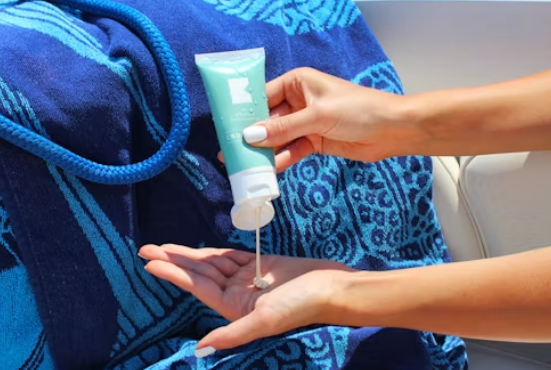
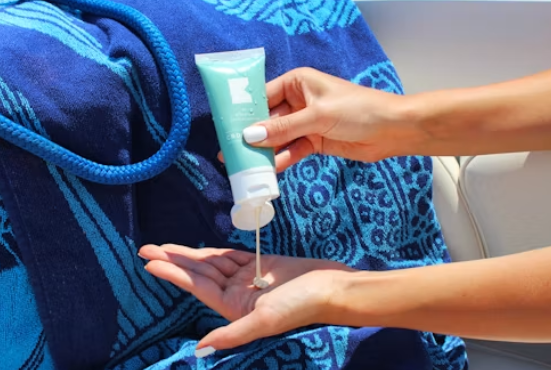
Fortunately, staying safe in the sun does not require avoiding the outdoors. Health experts recommend a combination of protective measures. Using a broad-spectrum sunscreen with an SPF of at least 15 can help protect against both UVA and UVB rays. Sunscreen should be applied generously and reapplied every two hours, especially after swimming or sweating. Wearing sunglasses, hats, and protective clothing can provide an additional layer of defense against harmful UV exposure.
Another common misconception is that tanning is a sign of healthy skin. In reality, a tan is the skin's response to injury from UV radiation. Over time, repeated sun exposure can lead to premature aging, including wrinkles and dark spots, while also increasing the risk of skin cancer. The CDC also advises avoiding tanning beds, which expose the skin to concentrated UV radiation, and which can significantly increase skin cancer risk, and even eye damage.
Acknowledging the effect that UV rays can have on our skin and eye health, can feel extremely discouraging, but the good news is that enjoying the outdoors and protecting your skin can go hand in hand. Whether you're traveling, exercising, attending outdoor events, or simply taking a walk, practicing sun safety can help maintain healthy skin for years to come. Small habits such as applying sunscreen before leaving home or seeking shade during peak sunlight hours—can make a lasting difference.
As summer approaches, remember that protecting your skin is not just about avoiding sunburn. It's about investing in your long-term health. A few minutes spent applying sunscreen today can help prevent serious health problems tomorrow. There are even small dietary habits to adapt that can lessen the effect of UV radiation on the skin.
In terms of sunscreen, it’s important to understand your skin to find what type of sunscreen suits you! There are two common types of sunscreens, chemical, and mineral. For those with sensitive skin, it’s better to invest in mineral sunscreen, purchase a sheer one if you don’t want a white cast.
Furthermore, adapting a diet that is high in vitamin C, can help protect the skin against the harm of UV radiation by acting as an antioxidant.
Combining sunscreen with a well-balanced diet is key to healthy skin! Enjoy a safe summer.
References:
CDC. “Sun Safety Facts.” Skin Cancer, 3 May 2024, www.cdc.gov/skin-cancer/sun-safety/.
Cleveland Clinic. “Ultraviolet (UV) Radiation: What It Is & Its Effect on Your Skin.” Cleveland Clinic, 16 Nov. 2022, my.clevelandclinic.org/health/diseases/10985-ultraviolet-radiation.
FDA. “Tips to Stay Safe in the Sun: From Sunscreen to Sunglasses.” FDA, 7 May 2019, www.fda.gov/consumers/consumer-updates/tips-stay-safe-sun-sunscreen-sunglasses.