
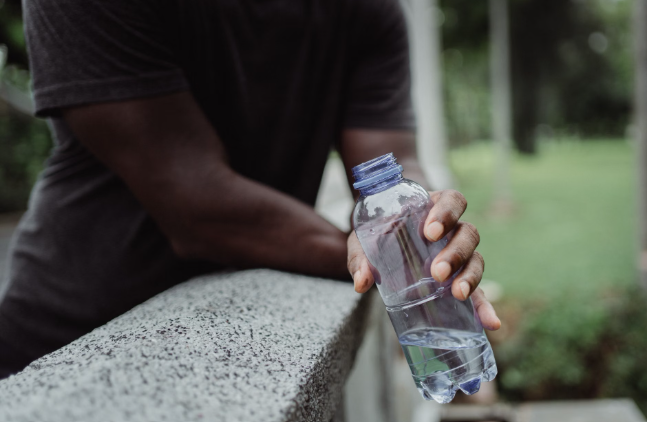
Maintaining Proper Hydration During the Summer Months
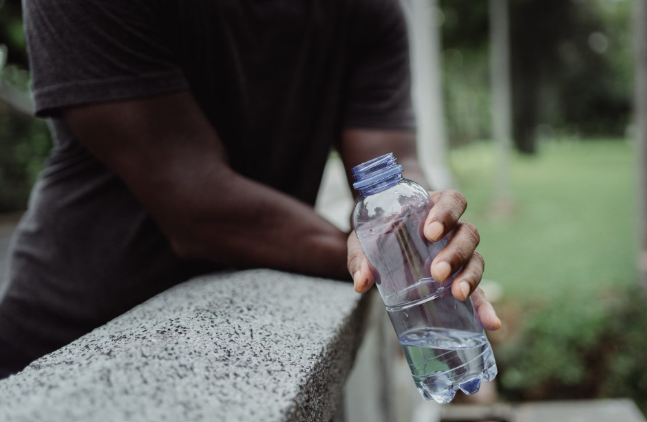
Written By: Sahannah Seemungal and Eshrat Quader
With the summer heat still in full swing, it’s important to ensure that hydration is a daily priority. Whether you’re spending time at the beach, working outside, exercising, or simply enjoying the warm weather, your body loses more fluids than usual. Replacing those fluids is essential for helping your body function properly and reducing your risk of dehydration. Dehydration occurs when your body loses more fluids than it takes in, making it difficult for your body to perform its normal functions.
Water plays a role in almost every function within the body. It helps regulate body temperature, transport nutrients, lubricates joints, supports kidney function, and removes waste. During periods of prolonged heat or high humidity, your body works harder to maintain a normal internal temperature, therefore in response, your body produces sweat. Sweating is the body's natural cooling mechanism, but it also results in the loss of water and small amounts of electrolytes. If these fluids are not replaced, dehydration can develop more quickly than many people realize. This is why it's especially important to drink fluids before, during, and after spending time outdoors or participating in physical activity, rather than waiting until you begin to feel thirsty, because thirst is often one of the first signs that your body is already becoming dehydrated.
While water is the best choice for staying hydrated, there are times when replacing electrolytes may also be important. Electrolytes are minerals, including sodium, potassium, calcium, magnesium, chloride, and phosphorus, that help regulate fluid balance, support muscle and nerve function, and maintain a normal heartbeat. Since these minerals are lost through sweat, they sometimes need to be replaced along with water.
For most healthy adults, however, water is still the best choice. The Harvard T.H. Chan School of Public Health notes that electrolyte drinks are generally unnecessary for everyday activities or moderate exercise. Most people are able to get the electrolytes they need from a balanced diet, and water is usually enough to replace normal fluid losses. Electrolyte beverages may be helpful after prolonged, high-intensity exercise, significantly sweating, or illnesses that cause excessive fluid loss. It’s also important to keep in mind that many popular sports drinks contain added sugars and sodium, thus making them a better choice for specific situations rather than an everyday beverage.
Staying hydrated doesn’t have to be complicated. Drinking water consistently throughout the day is more effective than waiting until you feel thirsty. Water-rich foods like watermelon, cucumbers, oranges, and strawberries can also contribute to your daily fluid intake. During periods of extreme heat, limiting time in direct sunlight and taking breaks in the shade or air conditioning can also help reduce fluid loss.
As we enjoy the rest of the summer, don't overlook one of the simplest ways to protect your health. For most people, drinking water regularly and eating a balanced diet provide everything the body needs to stay hydrated. As the warm weather continues, paying attention to your body's signals and preventing fluid loss can help you remain healthy, active, and safe throughout the rest of the summer.
References:
Harvard T.H. Chan School of Public Health. “Electrolyte Drinks.” The Nutrition Source, Harvard T.H. Chan School of Public Health, https://nutritionsource.hsph.harvard.edu/electrolyte-drinks/.
Mayo Clinic Staff. “Dehydration.” Mayo Clinic, Mayo Foundation for Medical Education and Research, https://www.mayoclinic.org/diseases-conditions/dehydration/symptoms-causes/syc-20354086.
Madden, Christopher C., and Mark H. Grubenhoff. “Dehydration.” StatPearls, StatPearls Publishing, 13 Jan. 2025, National Center for Biotechnology Information, https://www.ncbi.nlm.nih.gov/books/NBK555956/.