Genetic Mutations: From Heterochromia to Cancer
Written By: Laila Ibrahim
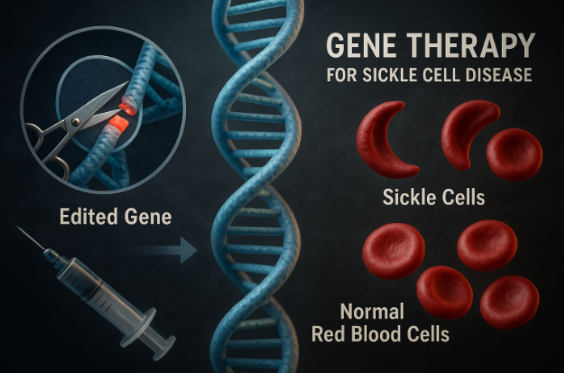
Genetic mutations are changes in DNA sequences that can occur due to environmental factors or errors during DNA replication. Mutations are significant and essential to evolution, as they promote genetic diversity. However, these mutations can lead to life-threatening genetic disorders. Examples of these disorders include, but are not limited to, sickle-cell anemia, Down syndrome, cystic fibrosis, and Huntington's disease. Nonetheless, some mutations remain neutral and have little to no effect on an individual.
Mutations can be categorized by their causes, but what specific factors contribute to their development? Induced mutations are caused by external factors that damage DNA, such as excessive exposure to UV radiation, mutagens, and viruses. Each of these factors can damage DNA and alter its structures, preventing it from functioning correctly. Spontaneous mutations are naturally occurring, causing errors in cellular processes, such as DNA replication. These mutations can have significant effects on individuals, including the development of genetic disorders and even cancer.
Cancer is one disease that can arise from induced or spontaneous mutation. If an individual develops cancer, a genetic test can help determine its cause. If the cancer diagnosis is linked to a genetic mutation, it likely involves mutations in various genes, including oncogenes, DNA repair genes (MLH3, XPC, etc.), and tumor suppressor genes (p53, BRCA 1/BRCA 2, etc.). But, if an environmental factor causes cancer, the individual must have been exposed to carcinogens for a long or consistent period, such as elongated exposure to UV radiation (sunlight), constant smoke inhalation, or unregulated alcohol consumption. However, whether the individual was affected by a genetic or environmental factor, a mutation in their cells, causing unregulated cell growth, is what caused their body to develop cancer.
Not all genetic mutations lead to life-threatening diseases and disorders. Some mutations can cause variations in an individual's phenotypic traits. An example of this type of mutation is Heterochromia. Different eye colors characterize Heterochromia; the iris of one eye (either a section or the whole iris) varies in color compared to the iris of the other eye. A possible cause of Heterochromia is Waardenburg syndrome. Waardenburg syndrome is a rare genetic condition that affects pigmentation and hearing. A change in skin color, eye color, and hair color can characterize this condition.
On another note, many organisms may carry a mutated gene, but the mutation has no effect on the function of the protein. This means that the protein will function normally, and the individual won’t exhibit a difference in their traits and/or health.
While some mutations can drive adaptation and genetic diversity, others can lead to disorders and life-threatening diseases, such as cancer. Understanding how mutations occur, whether through environmental factors or naturally occurring cellular errors, can allow medical professionals and scientists to better develop personalized treatments. Recent advancements in genetic research have allowed for early detection of mutation-caused diseases and disorders. These advancements offer individuals better management and treatment options for their disorders.
And though many mutations come with risks, not all of them are inherently harmful; some contribute to unique phenotypic traits without negatively affecting an individual's health. Future advancements and discoveries will allow us to correct harmful mutations and preserve the beneficial ones, as mutations are a fundamental aspect of life and evolution.
References:
Cleveland Clinic. “Genetic Mutations in Humans.” Cleveland Clinic, 24 May 2022, my.clevelandclinic.org/health/body/23095-genetic-mutations-in-humans.
Mayo Clinic . “Cancer - Symptoms and Causes.” Mayo Clinic, Mayo Clinic, 7 Dec. 2022, www.mayoclinic.org/diseases-conditions/cancer/symptoms-causes/syc-20370588.
“ Cleveland Clinic, 28 June 2023, my.clevelandclinic.org/health/symptoms/25112-heterochromia.
“Human DNA Repair Genes.” Www.mdanderson.org, www.mdanderson.org/documents/Labs/Wood-Laboratory/human-dna-repair-genes.html.
Cleveland Clinic. “Tumor Suppressor Cleveland Clinic, 16 Mar. 2023, my.clevelandclinic.org/health/body/24833-tumor-suppressor-genes.