The Effectiveness of Supplements
Written by: Rhea Mittal
In recent years, dietary supplements have become a staple in many people’s wellness routines. From multivitamins and herbal extracts to omega-3 capsules and probiotics, the global market for supplements continues to grow rapidly. With claims of improved health, disease prevention and enhanced performance, it is no surprise they are so popular. However the question remains: how effective are these supplements and do we actually need them?
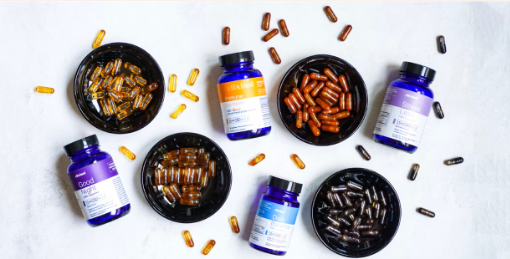
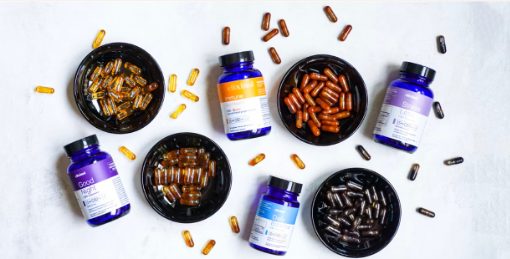
Dietary supplements are products intended to accompany the diet. They may include vitamins, minerals, herbs, amino acids, enzymes and other nutrients. These supplements are available in various forms such as tablets, capsules, powders and liquids. While they can help fill nutritional gaps, supplements are not meant to replace whole foods or a balanced diet. Most people can meet their nutritional needs through food alone, especially with a diet that is rich in fruits, vegetables, whole grains, lean proteins and healthy fats.
There are specific situations in which supplements are not only useful but necessary. People who fall into this category are pregnant individuals, older adults, people with dietary restrictions and those with medical conditions. Pregnant women are recommended to take folic acid to reduce the risk of neural tube defects. Older individuals often need vitamin D and calcium to maintain bone health. People with dietary restrictions, such as vegans, may require vitamin B12 which is mostly found in animal products. Individuals with medical conditions or nutrient absorption issues may need supplements to address deficiencies. In these cases, supplements are playing a key role in supporting health and preventing complications.
Some supplements are backed by strong scientific evidence. Vitamin D, calcium and folic acid are among the most researched and well-established supplements for health benefits. However, for other supplements, the evidence and effectiveness is inconclusive. Multivitamins are widely used but studies are not consistent when it comes to their benefits in preventing chronic illness like heart disease or cancer. While multivitamins may offer some peace of mind, they are not guaranteed to give someone better health.
One of the biggest concerns of dietary supplements is the misconception that they are completely safe. In reality, taking too much of a certain vitamin or mineral can be harmful. High doses of vitamin A or iron can be toxic for the body. Another issue is quality control. Unlike prescription medications, dietary supplements are not subject to the same FDA regulations. This means that potency and accuracy of the labels can widely vary between brands. It’s important to choose products from a trusted manufacturer that follows good practices.
Supplement use should be individualized. What works for one person may not necessarily work for another. Factors such as age, diet, health status and lifestyle all influence what supplements are appropriate for an individual. Before starting any new supplement, it’s best to consult with a healthcare provider and assess whether you truly need it.
Dietary supplements can play an important role in supporting health, specifically when someone has a diagnosed deficiency or specific nutritional needs. While the convenience of supplements is appealing, they should be used carefully. Over reliance on supplements or using them without medical guidance can lead to risks. You should primarily rely on food as a primary source of nutrition and consult with a healthcare professional before starting a new supplement regimen. Ultimately, the effectiveness of supplements depends on the individual, the product and the purpose behind its use. With the right information and approach, supplements can be a good addition to a healthy lifestyle.
References:
“Should You Take Dietary Supplements?” National Institutes of Health, U.S. Department of Health and Human Services, 17 June 2024, newsinhealth.nih.gov/2013/08/should-you-take-dietary-supplements#:~:text=The%20label%20may%20claim%20certain,take%20supplements%20with%20that%20expectation.%E2%80%9D https://www.healthline.com/health/nutrition/dietary-supplements https://www.pennmedicine.org/updates/blogs/health-and-wellness/2020/february/the-truth-about-supplements.
“The Truth About Pennmedicine.org, www.pennmedicine.org/updates/blogs/health-and-wellness/2020/february/the-truth-about-supplements. Accessed 10 Apr. 2025.
“What Are Dietary Supplements?” Healthline, Healthline Media, www.healthline.com/health/nutrition/dietary-supplements. Accessed 10 Apr. 2025.