Dancing is a Physical and Brain Sport
Written By: Karina Fernandez-Saito and Sahannah Seemungal
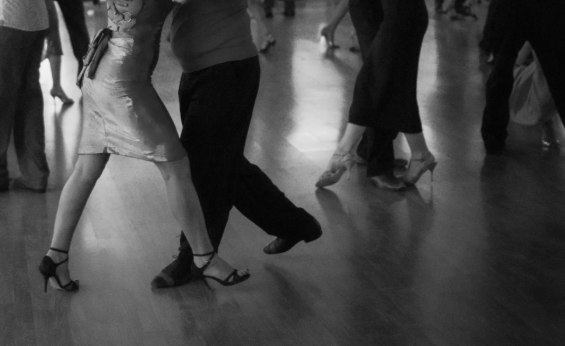
When watching musicians and their backup dancers perform 2-hour-long performances on stage, don’t you wonder how they maintain their stamina with all the movement and singing they exert? These performers take the stage not just for a single night, but throughout extensive tours across various states and countries, which can span up to three months or more. Dancing, an inexpensive sport and art form, enables individuals to express themselves through a variety of moves and styles. Multiple forms of dancing can be explored that can uplift everyone differently, and to name a few, there are ballet, hip-hop, jazz, tap, contemporary, and ballroom. Many cultural forms of dancing around the world allow people to feel connected to their heritage. Some traditional styles include bachata from the Dominican Republic, marinera from Peru, ote’a from Tahiti, polka from the Czech Republic, kekak trance from Indonesia, and, from the Philippines, tinikling.
Dancing is also closely tied to music, and music has been shown to stimulate various areas of the brain by processing sound and aiding in emotional regulation on both psychological and subjective levels (Macdonald et al., 2012). The limbic system, which includes the hypothalamus, amygdala, hippocampus, and thalamus, becomes activated when listening to music and is responsible for emotional processing and memory regulation. Music has also been used in therapy for many different cases of physical disabilities or neurological problems by improving motor function and neuroplasticity, which is the brain’s ability to reorganize neural connections when learning something new or after an injury. Music has also been proven to help alleviate anxiety, as evidenced by decreased cortisol levels, a major stress hormone.
Exploring the various styles dancing has to offer can positively impact the brain’s cognitive functioning, mental discipline, and self-confidence. Many are familiar with the well-known Latin fusion dance classes, Zumba, which help boost mood and involve decision-making in brain mechanics. Zumba, along with the different forms of dancing, has been proven to increase serotonin levels, a neurotransmitter known as the “feel-good” hormone that is responsible for regulating mood, sleep, digestion, and wound healing.
Dancing also enhances neuroplasticity in the brain within “areas involved in executive function, long-term memory, and spatial awareness” (Wisung, 2023). It utilizes many areas of the brain like hand-eye coordination and physical movement, along with spatial awareness. The motor cortex and the somatosensory cortex are two necessary regions of the brain used for dancing to correctly control the body in specific ways to fit the style and song. The cerebellum translates neural messages from the brain to create those specific moves. To concentrate and retain new choreography, the brain relies on basal ganglia cells to “smoothly coordinate movement and respond to sensory information” (4dancers, 2016).
These regions of the brain only skim the surface of the areas utilized for dancing, further emphasizing how dance is also a brain sport that engages multiple systems to piece complex steps together in an effortless and confident way. Along with the intense concentration needed for dancing, dedication, and discipline are also required to accurately portray choreography. A mind-to-body connection is essential for dancing with a focus on present awareness by simultaneously paying attention to the steps and timing.
Body posture and expression are also necessary components of dance to provide the best performance and to experience a concentrated state of mind. With all of these elements required for dancing comes a boost in self-esteem and confidence. Furthermore, dancing helps lower stress levels by triggering neurotransmitters related to stress relief. It also builds muscle and improves flexibility, which can enhance one’s self-image.
All in all, dance is not only connected with music or performing, but it is also a way for you to gain control of your body through coordinated movements while boosting self-esteem and physical health.
References:
Harnessing the power of music for neurorehabilitation: Evidence-based approaches | MedLink Neurology. (2025). MedLink Neurology. https://www.medlink.com/news/harnessing-the-power-of-music-for-neurorehabilitation-evidence-based-approaches
Music, Health, and Wellbeing. (2016). Google Books. https://books.google.com/books?hl=en&lr=&id=vOAUDAAAQBAJ&oi=fnd&pg=PA457&dq=music+for+health&ots=vxQBkotsS6&sig=A-67XN2-Nm-cydgzZxumHmSoz_g#v=onepage&q&f=true
What Makes A Dance? The Brain As Choreographer, Dancer And Spectator. (2016). 4dancers.org. https://4dancers.org/2016/07/what-makes-a-dance-the-brain-as-choreographer-dancer-and-spectator/
Wisung, E. (2023, July 6). The Dancing Brain - the cognitive effects of dance. The Lewis Foundation of Classical Ballet. https://www.thelewisfoundation.org/2023/07/the-dancing-brain-the-cognitive-effects-of-dance/