Understanding Zinc’s Real Health Impact
Written By: Xavier Oyola and Rhea Mittal
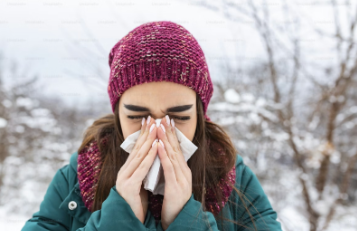
The weather is changing, and the temperatures are beginning to drop. As the flu season is now in full swing, reports of a new flu variant from the UK are spreading rapidly overseas. This Flu season is forecasted to be very infectious. It is crucial to get your flu shot to train your body to recognize the virus, allowing your immune system to respond quickly and target it effectively. Suppose you are unfortunate enough to contract one of these illnesses. In that case, you may have heard that taking Zinc supplements can help reduce the severity and length of symptoms experienced, which has been somewhat supported by research. More importantly, besides potentially aiding in illness, low levels of zinc can be the root cause of inflammatory issues because people may be unknowingly zinc-deficient.
Zinc is not a miracle solution to illness; it does not prevent disease, and researchers are still undecided about its effectiveness. Still, one of the best ways to avoid illness is hand hygiene, but why is zinc still essential?
For starters, zinc has been well known for its beneficial effects on immune defense. With the discovery of the impact of Zinc deficiency in the 1960s, it is now known that zinc deficiency is widespread, especially in developing countries. Zinc deficiency also affects 30% of the elderly population, who are considered to be zinc-deficient. Since zinc equilibrium is known to be crucial in immunological reactions, such as the inflammatory response and the oxidative stress response, multiple chronic diseases observed in the elderly are likely related to zinc deficiency. Hence, diseases such as Rheumatoid Arthritis, diabetes, atherosclerosis, impaired cognitive function, as well as age-related macular degeneration (AMD) may be due to zinc deficiency, worsening chronic inflammation, and triggering oxidative stress.
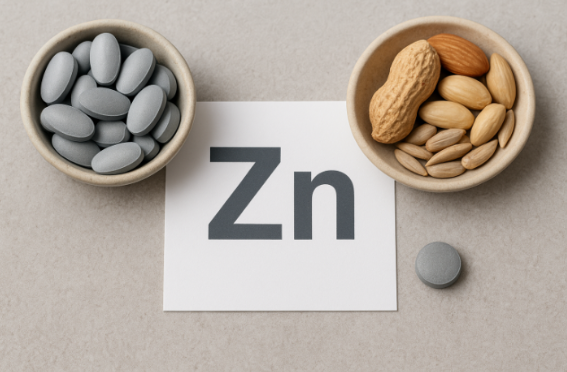
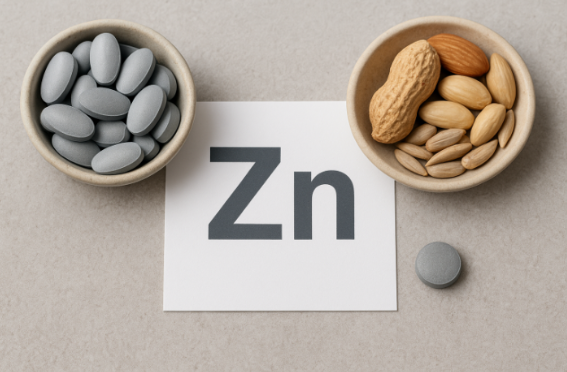
Furthermore, to maintain Zinc levels, you can take supplements or eat foods high in zinc. It is also important to mention that oral Zinc supplements can cause some adverse side effects, such as Indigestion, Diarrhea, Headache, Nausea, and Vomiting. It is essential to consult a doctor before taking zinc supplements. Zinc can also decrease the effectiveness of some drugs, such as antibiotics. Since zinc can cause adverse side effects, it is essential to maintain zinc levels by consuming foods rich in zinc. Some examples include shellfish (such as oysters), red meat, and poultry. Other good sources include nuts (such as cashews and almonds), seeds (like pumpkin and hemp), legumes (like beans and lentils), whole grains, and dairy products (like yogurt and cheese). Some breakfast cereals are also fortified with zinc.
As mentioned earlier, zinc may help reduce the severity and duration of symptoms; those who took zinc experienced symptom relief about two days sooner. The study estimated that, among 100 people with upper respiratory infections, an additional 19 would have recovered entirely by day seven due to zinc treatment. The strength of the evidence for these findings is considered low. Some measures of symptom severity were lower for those treated with zinc (versus placebo): on day three of the infection, those taking zinc had milder symptoms. There was also an 87% lower risk of severe symptoms among those who took zinc. However, the daily average symptom severity was similar between those taking zinc and those taking a placebo.
It is important to reiterate that zinc isn't a preventive measure against getting sick. In the same study, researchers found that intentional exposure to cold viruses did not show that zinc prevented colds. Using a placebo as a comparison, they found that zinc supplements or nasal spray zinc are associated with fewer upper respiratory infections. The estimated effect was modest; approximately one infection was prevented for every 20 people using zinc.
In summary, zinc is an essential mineral for the body that, when deficient, can worsen inflammatory issues. Older people are more likely to have Zinc deficiency, so it is necessary to monitor. Additionally, zinc is valuable for immune health and may help alleviate symptoms, but it is not a cure or a preventive measure. Zinc should not be used as a substitute for vaccines, and further research on zinc is needed to be more confident in its effects. Ensure that you receive your flu vaccine and frequently wash your hands to significantly reduce the likelihood of contracting the flu and minimize the severity of symptoms.
References:
Branswell, H. (2025, November 20). Is a bad flu season on the way? experts see reason to be anxious. STAT. https://www.statnews.com/2025/11/20/flu-season-2025-vaccinations-still-helpful-h3n2-subclade-k/
Robert H. Shmerling, M. (2021, November 19). Time to stock up on zinc?. Harvard Health. https://www.health.harvard.edu/blog/time-to-stock-up-on-zinc-202111192642
U.S. Department of Health and Human Services. (2022). Office of dietary supplements - zinc. NIH Office of Dietary Supplements. https://ods.od.nih.gov/factsheets/Zinc-HealthProfessional/
Webster, H. (2025, November 8). Pittsburgh re sick? - st. clair health. St. Clair Health. https://www.stclair.org/pittsburgh-post-gazette-does-zinc-actually-help-when-youre-sick/
Wessels, I., Maywald, M., & Rink, L. (2017, November 25). Zinc as a gatekeeper of immune function. Nutrients. https://pmc.ncbi.nlm.nih.gov/articles/PMC5748737/
Zelman, K. M. (Ed.). (2024, September 23). Foods high in zinc and Why you need it. WebMD. https://www.webmd.com/diet/foods-high-in-zinc