
Winter Wellness: Simple Ways to Stay Healthy All Season
Written By: Laila Ibrahim and Xavier Oyola
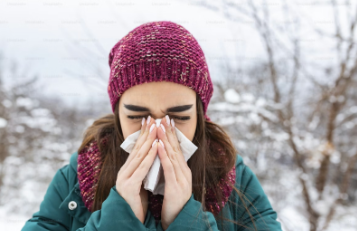
The most festive season of the year brings more than just lights, presents, and gatherings. As the temperature drops, the rate of respiratory and viral infections spikes. Some of these infections include Norovirus (also known as a "stomach bug"), Pneumonia, RSV (Respiratory Syncytial Virus), the common cold, and Influenza (Flu). It's essential to note that these infections are not exclusive to cold weather, but rather, due to the dry air, respiratory droplets from a contaminated individual travel more easily (Cleveland Clinic, Dr. Goldman). Recognizing symptoms is an essential first step in protecting oneself and others against these viral infections.
Across these viral infections, fever, fatigue, and weakness are some of the most common symptoms.
Norovirus is a highly contagious gastrointestinal infection that spreads through contaminated food, direct contact between individuals, and contaminated surfaces. Symptoms appear suddenly and include vomiting, diarrhea, and fever. On a separate note, respiratory infections become more common during these winter months, including RSV, the common cold, and influenza. These illnesses are symptoms such as fever, cough, fatigue, and congestion. These infections spread more easily through dry air. Pneumonia, a disease that inflames the air sacs of the lungs, can develop on its own or as a result of these viral infections. Symptoms include shortness of breath, fever, and coughing.
It's essential to remain vigilant about the spread of these viral infections, especially now, as COVID-19 continues to circulate during these cold months and contributes to a spike in respiratory illnesses, often accompanied by more severe symptoms.
These illnesses can affect anyone at any time; however, specific individuals are more susceptible than the average person. Those with preexisting diseases or underlying health conditions may experience more severe complications, which can even lead to death in the most serious cases. Taking the necessary steps to protect ourselves will not only reduce our own risk but can also save the lives of those around us.
As we navigate the winter months, understanding the rise and severity of seasonal illnesses is a crucial factor in maintaining personal and communal health. The combination of cold weather, dry air, and increased time spent in shared spaces creates conditions that are ideal for the rapid spread of viruses. Many of these illnesses share overlapping symptoms, making it difficult to pinpoint which virus you may be infected with. Once an individual experiences at least one of these symptoms, their next step should be to consult a physician, who can diagnose them and provide the necessary treatment. But how can we prevent this from happening in the first place? Always remember make sure to enforce these basic precautionary measures this season:
Hand washing - Washing your hands with soap and water removes germs.
Staying home while sick or experiencing any symptoms will help prevent the spread of infection.
Hydration and Diet - Staying hydrated and eating a diet rich in proper nutrients is crucial for maintaining health.
Vaccinations - Getting vaccinated can help prevent and reduce an individual's chances of contracting and spreading viruses.
Keeping all these habits in mind, we can all contribute to a healthier and safer winter season!
References:
“10 Common Winter Illnesses.” Cleveland Clinic, health.clevelandclinic.org/common-winter-conditions-are-you-contagious.
“Common Winter Health Issues and What You Can Do about Them.” Pihhealth.org, 2025, www.pihhealth.org/wellness/articles/common-winter-health-issues-and-what-you-can-do-about-them/
Walrath-Holdridge, Mary. “What’s Going around Right Now? COVID, Flu, Stomach Bug on the Rise.” USA TODAY, 2025, www.usatoday.com/story/news/health/2025/12/16/covid-flu-norovirus-data-vaccines-december-2025/87791332007/