The GLP-1 Revolution: Reshaping Obesity and Metabolic Disease Treatment
Written By: Rhea Mittal and Xavier Oyola
In recent years, a new class of medications has reshaped the world of obesity and metabolic disease treatment. Drugs such as Ozempic, Wegovy, and Mounjaro, developed to manage type 2 diabetes, are not central to medical transformation. These medications belong to a class known as glucagon-like peptide-1 (GLP-1) receptor agonists, and their impact extends beyond addressing one of the most pressing public health challenges of this generation.
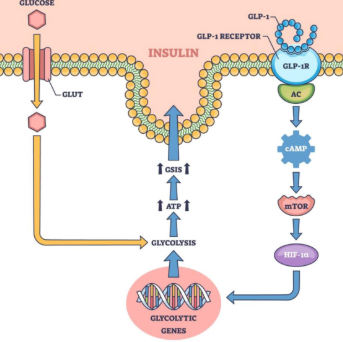
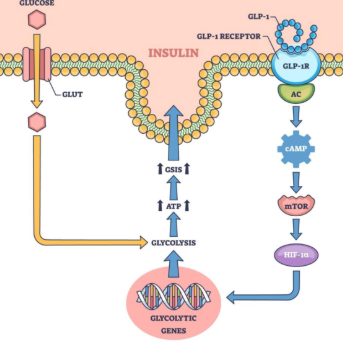
GLP-1 receptor agonists mimic a naturally occurring hormone that regulates appetite and glucose metabolism. By activating GLP-1 receptors in the brain and the gastrointestinal system, these drugs help reduce hunger, increase feelings of fullness, and slow gastric emptying. The results are a significant reduction in caloric intake. Clinical trials have demonstrated that patients using semaglutide-based treatments can lose up to 15-20% of their body weight. At the same time, newer dual-agonist drugs such as tirzepatide have shown even greater efficacy, with some studies reporting weight loss exceeding 20%.
The implications of these outcomes are profound. Obesity has long been treated as a lifestyle issue, often attributed to a poor diet or lack of exercise. However, the success of GLP-1 medications reinforced a growing scientific consensus that obesity is a complex, chronic disease influenced by genetics, hormones, and environmental factors. By targeting biological pathways that regulate appetite and metabolism, these drugs offer a more effective and sustainable treatment option compared to traditional approaches.
These drugs, however, are not without their challenges. One of the most significant barriers is cost. GLP-1 medications can be expensive, and insurance coverage is inconsistent, particularly when prescribed for weight loss rather than diabetes. This raises concerns about health equity, as access may be limited to those who can afford long-term treatment. Additionally, the surge in demand has led to supply shortages, complicating access for patients who rely on these medications for diabetes management.
Side effects also warrant consideration. Common adverse effects include nausea, vomiting, and gastrointestinal discomfort, particularly during the early stages of treatment. While these symptoms often subside over time, the safety profile of these medications is still being studied. There are also ethical questions surrounding their use, particularly when individuals seek them primarily for cosmetic weight loss rather than for medical necessity.
The rise of GLP-1 receptor agonists is influencing multiple areas of medicine, from endocrinology to cardiology and public health. Pharmaceutical companies are investing heavily in next-generation therapies, signaling that this is only the beginning of a broader shift toward biologically targeted treatments for metabolic disease. In conclusion, GLP-1 medication represents a groundbreaking advancement in modern medicine. By addressing the biological mechanisms underlying obesity, they challenged outdated perceptions and offered new hope for patients.
References:
American Diabetes Association releases 2023 standards of care in diabetes to guide prevention, diagnosis, and treatment for people living with diabetes. American Diabetes Association Releases 2023 Standards of Care in Diabetes to Guide Prevention, Diagnosis, and Treatment for People Living with Diabetes | American Diabetes Association. (2022, December 12). https://diabetes.org/newsroom/american-diabetes-association-2023-standards-care-diabetes-guide-for-prevention-diagnosis-treatment-people-living-with-diabetes
Jastreboff, A., Aronne, L., Ahmad, N., & Wharton, S. (2022, June 4). Tirzepatide once weekly for the treatment of Obesity | New England Journal of Medicine. The New England Journal Of Medicine . https://www.nejm.org/doi/full/10.1056/NEJMoa2206038
Wilding , J. (2021, February 10). Once-weekly semaglutide in adults with overweight or obesity | New England Journal of Medicine. The New England Journal Of Medicine . https://www.nejm.org/doi/full/10.1056/NEJMoa2032183