
Microplastics and Human Health: What We Know So Far
Written By: Eshrat Quader and Ihsaan Alam
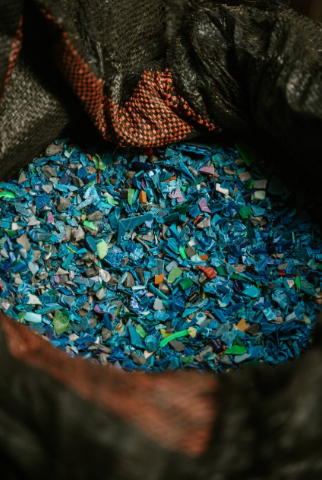
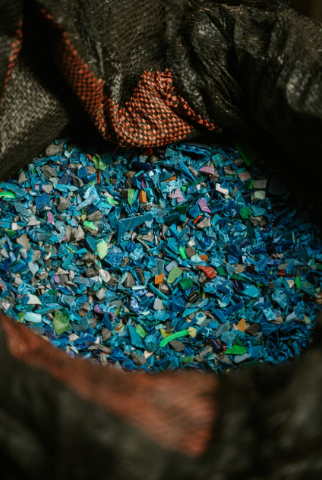
Plastic has become an indispensable part of modern life, from food packaging and clothing to medical devices and household products. As plastic materials break down over time, they become microscopic particles known as microplastics , plastic fragments smaller than 5 millimeters. Even smaller particles, called nanoplastics, are often invisible to the naked eye. Researchers have detected these particles in oceans, drinking water, soil, food, indoor air, and increasingly, within the human body.
How Are We Exposed?
Humans encounter microplastics every day through several routes. Food and beverages are major sources, particularly seafood, bottled water, table salt, and foods stored or heated in plastic containers. Airborne particles released from synthetic clothing, carpets, and household dust can also be inhaled. Although the amount each person is exposed to varies, studies suggest that exposure is widespread across populations.
Recent research has identified microplastics in human blood, lung tissue, liver, breast milk, placental tissue, and reproductive organs. While these discoveries confirm that plastic particles can enter the body, scientists are still working to determine what these findings mean for long-term health.
Potential Health Effects
Current evidence suggests that microplastics may contribute to inflammation and oxidative stress, the process in which harmful molecules damage cells. Laboratory studies have demonstrated that plastic particles can disrupt immune responses, interfere with normal cellular function, and carry environmental contaminants such as heavy metals and persistent organic pollutants.
Some plastics also contain chemicals including bisphenol A (BPA) and phthalates, which have been associated with hormonal disruption and reproductive effects. However, many studies evaluating these risks have been performed in laboratory settings or animal models using concentrations that may differ from typical human exposure. As a result, researchers continue to investigate whether these findings translate into meaningful health outcomes in everyday life.
What Does the Research Say?
One of the most significant developments occurred in 2024 when researchers reported that microplastics were present within plaques removed from human carotid arteries. Individuals with detectable microplastics in these plaques experienced a higher rate of cardiovascular events during follow-up compared with those without detectable particles. Although the study demonstrated an association rather than causation, it has prompted greater scientific interest in understanding the relationship between microplastics and cardiovascular disease.
Other investigations have explored potential links between microplastic exposure and respiratory disease, gastrointestinal inflammation, fertility, and neurological health. While these findings are concerning, experts emphasize that additional long-term human studies are necessary before definitive conclusions can be made.
Reducing Everyday Exposure
Completely avoiding microplastics is currently impossible, but several practical strategies may help reduce exposure:
Use reusable glass or stainless-steel bottles instead of single-use plastic bottles.
Avoid microwaving food in plastic containers.
Choose glass, ceramic, or stainless-steel food storage when possible.
Vacuum regularly using HEPA filtration and improve indoor ventilation to reduce airborne particles.
Wash synthetic clothing less frequently and consider using laundry filters designed to capture microfibers.
Drink filtered tap water when appropriate, as certain filtration systems can remove a portion of microplastic particles.
These lifestyle changes cannot eliminate exposure but may decrease unnecessary contact with plastic particles while also providing environmental benefits.
In the meantime, healthcare professionals recommend focusing on evidence-based preventive measures, maintaining a balanced diet, exercising regularly, avoiding tobacco, and minimizing unnecessary plastic use, while researchers continue to investigate the long-term implications of microplastic exposure.
References:
Leslie, Heather A., et al. "Discovery and Quantification of Plastic Particle Pollution in Human Blood." Environment International, vol. 163, 2022, 107199.
Ragusa, Antonio, et al. "Plasticenta: First Evidence of Microplastics in Human Placenta." Environment International, vol. 146, 2021, 106274.
Marfella, Raffaele, et al. "Microplastics and Nanoplastics in Atheromas and Cardiovascular Events." New England Journal of Medicine, vol. 390, no. 10, 2024, pp. 900–910.
World Health Organization. Dietary and Inhalation Exposure to Nano- and Microplastic Particles and Potential Implications for Human Health. World Health Organization, 2022.