Acne: What Is It and How Do We Treat It?
Written By: Laila Ibrahim and Mariam Shahzad
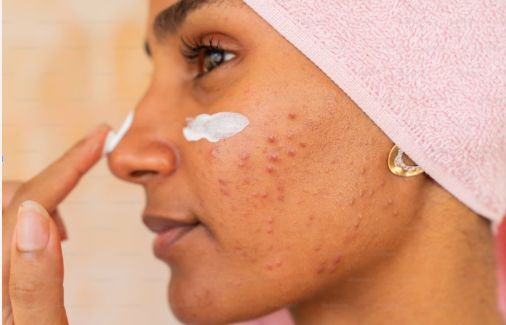
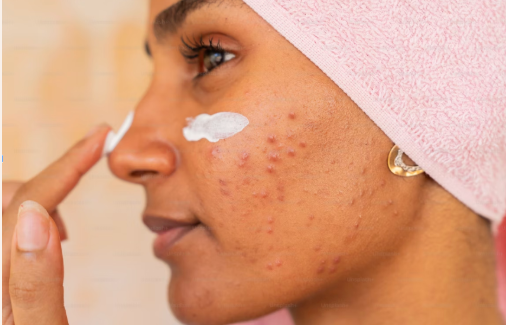
Acne — a word we’re all too familiar with. But what exactly is it? Acne is a skin condition that causes whiteheads, blackheads, pimples, and cysts. It occurs when hair follicles become clogged with oil (sebum) and dead skin cells. The development of acne, however, is influenced by a variety of factors such as hormonal changes, genetics, environmental triggers, and even high levels of stress. Although acne can occur at any age, it’s most common among teenagers and young adults, especially during puberty and other hormonal shifts.
There are several types of acne, including cystic acne (deep, pus-filled nodules), fungal acne (caused by yeast build-up), hormonal acne (driven by excess sebum production and clogged pores), and nodular acne (tender lumps under the skin). It’s important to recognize the type of acne you may be struggling with, because certain treatments can be too strong and actually worsen the condition by weakening the skin barrier.
Some of the most common acne treatments are topical products containing benzoyl peroxide, salicylic acid (BHA), retinoids, and niacinamide. Other treatments include oral options such as Accutane, birth control, and antibiotics. Chemical peels, lasers, and even steroid injections may also be used. However, it’s essential to find the treatment that best matches the type of acne being addressed.
Cystic acne affects deeper layers of the skin and can be extremely painful. It is often treated with oral antibiotics, birth control, and topical retinoids. Fungal acne may not be as painful, but the yeast overgrowth can cause intense irritation; antifungal creams and shampoos are typically most effective. Hormonal acne results from hormonal fluctuations, commonly affecting those going through puberty or those who menstruate, sometimes even well after puberty. Treatments may include oral contraceptives, benzoyl peroxide–based products, and though easier said than done, lowering stress levels and improving dietary habits. Nodular acne creates painful lumps beneath the skin, and treatments often involve hormonal therapy, topical retinoids or benzoyl peroxide, and oral antibiotics.
Although these acne types may share treatment options, they affect individuals differently. It’s important to consult a dermatologist before starting any regimen. Our skin is our largest yet most sensitive organ, and we need to treat it gently.
Acne is more than a cosmetic concern; it can be physically painful and emotionally exhausting. It can severely impact one’s self-esteem. This is why normalizing and destigmatizing acne is so important. Assuming someone “doesn’t wash their face” or “doesn’t drink enough water” overlooks the many underlying factors that contribute to acne. It can affect anyone at any age, whether someone is fifteen or twenty-five, dealing with breakouts on their forehead, chin, or back. Taking it one step at a time is crucial when finding the treatment that works best for your skin.
References:
Mayo Clinic. “Acne - Symptoms and Causes.” Mayo Clinic, 20 July 2024, www.mayoclinic.org/diseases-conditions/acne/symptoms-causes/syc-20368047.
Yale Medicine. “Acne.” Yale Medicine, 2024, www.yalemedicine.org/conditions/acne.
Cleveland Clinic. “ Cleveland Clinic, Cleveland Clinic, 1 Sept. 2020, my.clevelandclinic.org/health/diseases/12233-acne.
“Anti-Acne Ingredients: A Complete Dermatologist Guide | Dermatocare.” Dermatocare.com, 2025, www.dermatocare.com/anti-acne-ingredients-a-complete-dermatologist-guide/.