Oral Hygiene: A Gateway to Better Health
Written By: Ihsaan Alam and Eshrat Quader
Many often think of brushing and flossing as tedious daily chores, but your mouth tells a far larger story. According to the Mayo Clinic, oral health is “a window to your overall health.” The state of your gums and teeth mirrors the state of your body, and to some extent, it even shapes it.
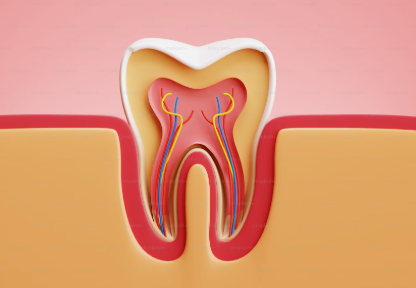
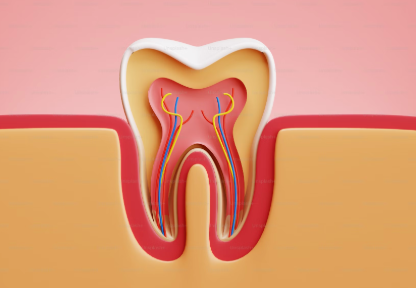
The mouth is a busy ecosystem with hundreds of bacterial species coexisting there, although most are harmless and useful for digestion and immunity. When this ecosystem is disrupted, however, perhaps from poor oral hygiene this can lead to a cascade of negative effects. For example, harmful bacteria can multiply, triggering inflammation of the gums known as gingivitis. Left untreated, it can progress to periodontal disease, which is a chronic infection that erodes bone, loosens teeth, and opens a direct route for bacteria to enter the bloodstream. From there, the entire body gets involved.
Researchers have found that individuals with gum disease face higher risks of heart disease and stroke. The same bacteria that inflame the gums can contribute to inflammation in blood vessels, encouraging the buildup of arterial plaque. Penn Dental Medicine notes that oral infections can even allow bacteria to travel to damaged areas of the heart, potentially leading to endocarditis, a serious infection of the heart’s inner lining. Thus, the connection between oral and cardiovascular health isn’t abstract but is well studied and backed by science.
Further, diabetes and gum disease feed each other in a dangerous loop. High blood sugar fosters bacterial growth in the mouth, while oral inflammation can worsen insulin resistance, making blood sugar harder to control. The Cleveland Clinic emphasizes that maintaining oral hygiene is a crucial part of managing chronic conditions like diabetes and heart disease. The mouth, in other words, doesn’t just mirror internal imbalance but can amplify it.
Pregnancy offers another example of this systemic conversation. Women with severe gum disease are more likely to deliver prematurely or have low-birth-weight infants, possibly because inflammatory molecules from the gums travel through the bloodstream to the placenta. These discoveries remind us that the mouth is not an isolated organ but a dynamic part of the body’s immune and circulatory networks.
Yet the story isn’t one of helplessness. Just as poor oral health can harm the body, good habits can strengthen it. The Mayo Clinic recommends brushing at least twice a day with fluoride toothpaste, flossing daily, and seeing a dentist regularly for cleanings. These simple actions reduce bacterial buildup, calm inflammation, and keep the mouth’s delicate ecosystem in balance. The Cleveland Clinic adds that a healthy diet can also support the beneficial bacteria that protect teeth and gums.
By and large, the toothbrush in your hand is also a tool for heart health, metabolic stability, and immune balance. It’s easy to separate dentistry from medicine in our minds, but biology doesn’t make such distinctions. The body is a single, continuous system, and the mouth happens to be its front door. So the next time you’re tempted to skip flossing or delay that dental appointment, remember what’s really at stake.
References:
Mayo Clinic Staff. “Oral Health: A Window to Your Overall Health.” Mayo Clinic, 14 Mar. 2024, www.mayoclinic.org/healthy-lifestyle/adult-health/in-depth/dental/art-20047475.
Penn Dental Medicine. “Why Is Oral Health Important? Here Are 4 Reasons.” Penn Dental Medicine Blog, 25 Mar. 2022, penndentalmedicine.org/blog/how-dental-health-affects-overall-health/.
Cleveland Clinic. “Oral Instructions for Good Routine.” Cleveland Clinic Health Library, 21 Apr. 2022, my.clevelandclinic.org/health/treatments/16914-oral-hygiene