
Fall Into Wellness: Staying Healthy This Season
Written By: Mariam Shahzad and Rachel Levin
As temperatures cool and the days become shorter, fall is a good time to check in on your health. Changes in weather, daylight, and daily routines can affect both physical and mental well-being. A few simple habits can help you stay healthy throughout the season.
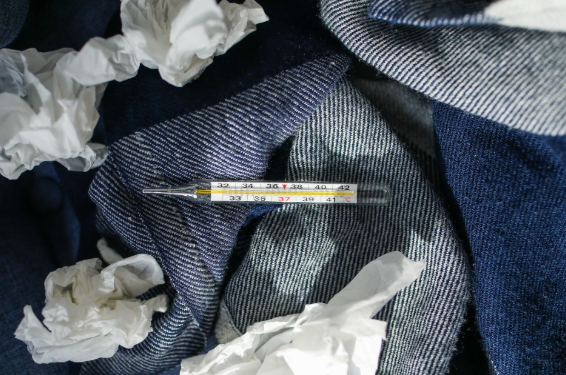
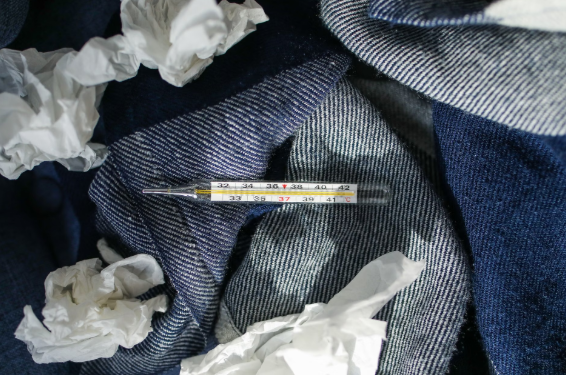
Fall marks the beginning of increased circulation of seasonal respiratory illnesses, including influenza. One of the most important ways to protect yourself is to stay up to date with recommended vaccinations. The Centers for Disease Control and Prevention (CDC) recommends annual influenza vaccination as an important way to reduce the risk of flu and its potentially serious complications (CDC).
Everyday habits matter, too. Wash your hands regularly, cover coughs and sneezes, avoid close contact with people who are sick when possible, and consider improving indoor air circulation such as with fans, air purifiers, or keeping doors inside the home open. Frequently touched surfaces can also be cleaned to help reduce the spread of germs (CDC).
With fall comes shorter days and less sunlight. For some people, seasonal changes can affect mood, energy, sleep, and appetite. Seasonal affective disorder (SAD) is a form of depression that follows a seasonal pattern, most commonly beginning in late fall or early winter (Mayo Clinic).
Possible symptoms include persistent sadness, low energy, difficulty concentrating, sleeping more than usual, changes in appetite, and withdrawing from activities or other people. The National Institute of Mental Health recommends speaking with a healthcare professional when seasonal mood changes become significant or interfere with everyday life.
It can be tempting to become less active as temperatures drop, but maintaining a regular routine can support both physical and mental health. Take advantage of comfortable fall weather by walking outdoors, exercising with friends, or finding an indoor activity you enjoy.
Maintaining a consistent sleep schedule, eating balanced meals, drinking enough water, and making time for activities you enjoy can also help you adjust to seasonal changes.
Your Fall Health Checklist
Stay up to date with recommended vaccinations.
Wash your hands regularly and practice good respiratory hygiene.
Maintain regular physical activity.
Keep a consistent sleep routine.
Pay attention to changes in your mood and energy.
Schedule routine medical appointments you may have been putting off.
Speak with a healthcare provider if you have concerns about your physical or mental health.
Fall is a season of change—and a great opportunity to reset healthy habits. Small steps now can help you feel your best throughout the colder months.
References:
“2025–2026 Flu Season.” Centers for Disease Control and Prevention, Centers for Disease Control and Prevention, 2 Sept. 2026,
https://www.cdc.gov/flu/season/2026-2027.html. Accessed 12 Sept. 2026.
“Preventing Seasonal Flu.” Centers for Disease Control and Prevention, Centers for Disease Control and Prevention, 1 Sept. 2026, www.cdc.gov/flu/prevention/index.html. Accessed 13 Sept. 2026.
“Seasonal Affective Disorder (SAD).” Mayo Clinic, Mayo Foundation for Medical Education and Research, 14 Dec. 2021, www.mayoclinic.org/diseases-conditions/seasonal-affective-disorder/symptoms-causes/syc-20364651. Accessed 11 Sept. 2026.
“Seasonal Affective Disorder.” National Institute of Mental Health, U.S. Department of Health and Human Services, 2023. www.nimh.nih.gov/health/publications/seasonal-affective-disorder. Accessed 13 Sept. 2026.